Showing posts with label transport. Show all posts

Saturday, 28 February 2015

Hybrid Cars - Making A Difference Today

Hybrid Cars and Hybrid Vehicles - Make Way for the Future


Cars are used by more people today than they ever were. This is because people tend to travel more and there are more people that want to travel.

It may be because of a person’s work, study or for the sake of just plain getting out and travelling. However, as the need for cars increase, there are more improvements made in the industry so that there can be better cars today, that are more economical, easier to handle, easy to maintain, and other needs of the car consumer at large.

Today, we have hybrid cars that fill the logical gap between petrol guzzler and a full electric car, for those that can't afford to go the full electric car path just yet. 


Hybrid cars are generally those that work by putting together a car’s petrol engine, electric motor and the battery.

There is a different charging method that is used thus the battery is not needed to be regularly plugged in.

Hybrid cars can have petrol and electric motors.

Generally, there are two classifications of hybrid vehicles- the mild hybrid and the full hybrid. It would be better to know the difference between the two since this can be a big factor if you plan to buy a hybrid car.

The mild hybrids, still use the fuel engine. However, when there are situations that may need extra supply of power, then the electric power will be the one to assist.


hybrid vehiclesHowever, the full hybrids can have both the petrol engine and the car’s electric motor to work independently without the help of the other.

This is a situation that is not applicable in mild hybrids as its electric motor is still dependent to the fuel engine. In this set up, the electric motor can work without being dependent to the fuel but when the car is speeding, the fuel engine will be the one to function.


In both hybrid vehicle kinds, the car will save petrol and also have lower carbon emissions. Thus, the aim of hybrid cars is not only to save money but also to keep the environment clean (environmentally friendly).

The engines are not the only things that would be different if you use a hybrid vehicle. The maintenance will also differ in that you need to make sure that you know how to properly care for the car before even thinking of purchasing it.

The steps can be simple to follow, however they can be critical in keeping your car at its best performance. Car maintenance is important for you to benefit from the improvements and benefits from hybrid vehicles.


If you are considering buying a hybrid car, then you should make sure that the car you buy will be easy for you to maintain and its features and functions suit your needs.

This way, you can feel assured that hybrid vehicles are actually a great choice in terms of style, fuel savings and environmental considerations.
Buying a htbrid car in Australia.

NEWS.com.au had this to say on the state of the Hybrid Cars Market in Australia...

PRICES are down, value is up and the hybrid message is starting to hit home in record numbers.

The fuel-efficient petrol-electric passenger cars started out as market oddities when Honda first brought the Insight to market in 2001.

Now they are finding mainstream market.

Private buyers are also now buying them in greater numbers:
--> June sales figures showed an 84 per cent increase in hybrid vehicle sales to private buyers, nearly double the fleet market increase.
--> July sales figures, to be released soon, are tipped to show another marked increase.

The Hybrid Car segment has increased in size, with an expanded Toyota Prius range going on sale earlier this year, as well as the arrival of the Australian-assembledCamry Hybrid.

Honda has expanded its hybrid range from one there-door two-seater in 2001 to the CR-Z sports coupe and the Insight hatchback and Civic sedan.

Toyota's luxury arm Lexus has four hybrid models on sale in Australia and BMW has 3 and 5 Series hybrid models in its short-term Australian future.

Range-extender vehicles from Holden (the Holden Volt) and Nissan's luxury brand Infiniti will further expand the choices for green motoring when they go on sale in the next few months...
IN THE NEWS


HYBRID CARS


IN THE NEWS


If you're not quite ready to move up to an electric car then a hybrid vehicle may be the next best thing when it comes to lowering your running costs while reducing car emissions.


Thinking Green - Our Homes & Beyond

There are a lot of environmentally friendly, or green issues, relating to products used in around the family home, or in our lives further afield.  Here are some things to think about to help you make 'green' decisions and changes!

Cleaning

There are a lot of issues relating to environmentally friendly cleaning around the house, here are a few to consider:

 
  • Do you know all of the ingredients in your cleaners ?
  • What is the active ingredient in your cleaner ?
  • Does your cleaner cause breathing, eye or skin irritation ?
  • Is your cleaner made from natural ingredients ?
  • What does toxic mean ?
  • Is your cleaner considered a poison ?
  • What are environmentally friendly cleaning products ?


Energy

Energy bills are a concern for any household, therefore the incentive to go for green energy must include a reduction in cost at some point. Not just in green energy or more sustainable energy but in energy usage.

Here are some considerations in relation to reducing energy use as well as using green energy: 

  • Why do you see more and more solar cells on household roofs ?
  • Is solar power cheaper for my household ?
  • How much does solar power costs to install ?
  • Is solar power affordable ?
  • What is wind power ?
  • Can I power my house with a wind generator ?
  • Is solar power effective ?
  • Can I make money back with solar power ?
  • How much are solar batteries ?
  • Are compact fluorescent lights cheaper to run ?

    70 Tips For Saving Energy in Your Home
  • Why can we no longer buy household filament globes in Australia ?
  • How much power is used when a machine is on standby ?
  • What is the household cost of all the items that are on standby for a year ?
  • What energy using devices in your house are on all-the-time ?
  • What are energy star ratings ?
  • How could you more efficiently use a fridge, an oven, a pool ?
  • What situations involve the use of a number of electronic devices at once (video games / dvd ) ?
  • What is the most economical way to run a reverse cycle air conditioner ?
  • What is the most energy efficient way to heat your house, and cool your house ?
  • Does insulation make my home more energy efficient ?
  • What is the energy star rating system ?
  • Can I monitor my electricity use with a meter ?
  • How do roller shutters reduce energy use ?
  • Can heavy curtains reduce my energy use ?
  • Can carpet reduce my heating costs ?
  • Can roof air vents (whirlybirds) reduce my home energy costs ?
  • How do skylights reduce my lighting energy costs ?
  • What are the best practices for an energy efficient home ?


Food

There's a number of green issues that we can take a look at in regards to food. Here are a few to get you started:

  • What are the most energy efficient ways to heat food ?
  • What are the most energy efficient ways to keep food cold ?
  • Is it better to buy from a supermarket or a fruit and veg store ?
  • How far has your food you buy travelled (what are food miles) ?
  • Are there environmental animal issues with certain foods ?
  • Is is more energy efficient for the family to all eat together ?
  • Do you sit in front of the TV when you eat ?
  • Is your food wrapped in plastic wrap or in a plastic container ?
  • What do the recycle numbers on plastic containers mean ?
  • How do microwave ovens effect your food ?
  • What do your pets eat (if you have any) ?
  • How much rubbish is created by food packaging, bones, other waste ?
  • What are the advantages of being vegan or vegetarian ?
  • Are hormones or antibiotics absorbed through your food ?
  • How much food does not get used and wasted ?
  • Do you compost organic materials ?
  • What is your weekly household food bill ?
  • Do you grow any of your own food ?


Water

Water is the lifeblood of pretty much all living creatures
. Water seems abundant, but is clean fresh water available everywhere and to everyone? How do we maintain clean water, and how do we reduce our water usage?

  • How much water does your household use ?
  • What is the cost of your household water usage ?
  • What are the 3 primary water uses in your house ?
  • Do you recycle any water ?
  • What is grey water ?
  • Can I use grey water at my house ?
  • How much does it cost to set up a grey water system ?
  • How can I save water when showering or bathing ?
  • How can I save water with my pool ?
  • Is water from plastic bottles safe to drink ?
  • How far has your bottled water travelled ?
  • What are low flow water saving devices ?
  • What products are grey water safe ?
  • What type of garden is most water efficient ?
  • Does maintaining a lawn use a lot of water ?
  • What is the most efficient way to water lawn or plants ?
  • How can I harvest rain water ?
  • How much is a rain water tank ?
  • What size rain water tank do I need ?
  • Could I have a dam on my property ?
  • When is the best time to water lawn or plants ?
  • What is the most water efficient way to wash my car ?
  • What are the best dual flush toilet systems ?
  • What are the different solar hot water systems ?


Garden

Having a garden is common to most homes. What are some of the issues we might take
into consideration to make these gardens areas more eco friendly or sustainable?

  • Is lawn the best use of an area ?
  • What is drought resistant lawn ?
  • Do trees need a lot of water ?
  • Are flowers a good use of water ?
  • Does effective use of shade save water ?
  • Can I plant plants in a way that is more efficient ?
  • Can I grow my own food ?
  • What fruit trees should I grow ?
  • What vegetables should I grow ?
  • What is a food forest ?
  • What are the best plants for my region ?
  • What are worm farms ?
  • What is garden mulch ?
  • What are the best drip irrigation systems ?
  • Can I use solar lighting outdoors ?


Technology

Technology can play a part in sometimes making our lives easier. They also play a big part in our energy use.

What can we consider in making our use of technology more environmentally friendly?

  • How many gadgets do you use everyday ?
  • How many gadgets do you own ?
  • Is a mobile phone really necessary ?
  • How many of your devices contain plastic ?
  • How many of your devices seem outdated after only a year or two ?
  • Are your devices using earth resources that are depleting (touchscreens) ?
  • How many devices require power to operate ?
  • How many devices are on standby ?
  • How many TV's do you have in your house ?
  • Is my fridge and freezer energy efficient ?
  • Does microwaving save more energy than a stove?Energy Efficient Home Ideas

  • How many computers are operational in your house, how many devices attached ?
  • Can I print on recycled paper ?
  • Can I use a dimmer switch ?
  • Can a timer save me energy?
  • Should I use electric of gas heating ?
  • Are LCD TV's more energy efficient than CRT TV's ?

Clothing

Your families clothing can also take on environmental friendly considerations. Here are just a few things to consider:
  • Can I put more clothes on instead of turning on the heating ?
  • Is my clothing made of animal products ?
  • Is my clothing going to last a long time ?
  • Does my clothing contain leather ?
  • What are some of the reasons leather might be a concern ?
  • Can I wash my clothing in cold water ?
  • What is the best way to dry my clothes ?
  • What happens to the water after I clean my clothes ?
  • What is the active ingredient in clothes washing products ?
  • What is environmentally friendly stain removal ?
  • Is it better to buy locally made clothes ?
  • Could I make some of my own clothes ?


Waste

Household waste is always a growing concern with more and more rubbish being generated every day, week, month, year. This of course has a huge environmental impact as it has to be dumped somewhere.

Here are some things to consider in relation to household waste:

  • How much rubbish does my household put in the bin each week ?
  • Where does that rubbish go ?
  • Do I have a recycling bin ?
  • What goes in the recycling bin ?
  • What contains more, the recycling bin or the waste bin ?
  • What do they do at recycling plants ?
  • Are some plastic drinking bottles toxic when re-used ?
  • If you had to keep all of your own rubbish on your own property, would you create less ?
  • What is the 'Great Pacific Garbage Patch' ?
  • How long does it take for plastics to break down ?


Travel

Does travel effect the environment? Are there greener ways to travel? Of course, let's ask ourselves some questions about the effects of travel:

  • On average how many people travel in your car ?
  • What is the shortest distance you will travel by car ?
  • Can cars run on energy other than oil based fuels ?
  • What is peak oil ?
  • Does transporting food from another country add to the cost ?
  • How much carbon emission is jet plane responsible for ?
  • Which is more green, electric trains or diesel ?
  • What are food miles ?
  • What is a hybrid car ?
  • What is an electric car ?
  • How efficient is an electric car ?
  • How much do hybrid cars cost ?
  • How much do electric cars cost ?
  • Does your city or region support bike tracks and lanes ?
  • How might we travel in the future when oil becomes to expensive ?
    Holden Volt - Extended Range Electric Car


Business

Many of the ways business can go green are the same ways household can go green, however here are some issues to think about relating to business:


  • Can my business be green and profitable ?

    • Does my business generate excessive amounts of carbon ?
    • What are carbon trading schemes ?
    • Does your business use excessive amounts of energy (power, oil) ?
    • How can I offset my flight ?
    • Is the business generating excessive amounts of waste ?
    • Is my business sustainable into the future ?
    • How does my business effect the environment ?
    • What can a business do to enhance the environment ?
    • Does your business support environmental projects ?
    • How can your business use recycled paper ?
    • Can your business use solar power ?
    • How can your business reduce its lighting ?
    • Can my business use electric vehicles ?
    • What is my businesses carbon footprint ?

    Saturday, 21 February 2015

    Food Miles and Local Food Security

    A Sustainable Living Kid’s Activity  
    Food- we couldn’t survive without it, yet many of us these days take it for granted.  There it is in our cupboards and fridges, or readily available in the supermarket when we need to stock up.

    But what is really involved with getting food from where it is grown or produced to our table?  What’s its story… what journey does it take?  Let’s find out!


    Where Did It Come From?


    First off- a household food hunt!  Let mum or dad know what you are doing and don’t eat too much along the way!


    Make an inventory of each type of item you have in your pantry, fridge, freezer etc and, where possible, note down where each is manufactured, grown, packed etc.  Some items may say “Packed in Australia from local and imported ingredients” or other similar descriptions, so write those points down.


    You can also include other groceries such as bathroom products, cleaners, wraps, foil, paper towel, toilet paper, pet foods etc.  Any consumable products your household buys.

    Work out what percentage of your food is sourced locally and how local- Your city, town etc?  Your state?  Your country?

     
    What percentage comes from overseas?  Are the locations wide spread or is there a predominance of a few countries?  Why do you think this is so?


    The Journey

    How far did each item have to travel approximately?  This is known as the ‘food miles’ of your item.


    Find out, or make an educated guess, as to how each item may have travelled to your location- truck, train, ship, plane etc?


    What resources, both direct and indirect, might have been used in order for this item to get to you?


    Local Ingredients?

    Even with foods packaged locally, sometimes the ingredients have come from far afield.
    Can you find out where these ingredients came from? 


    Why do you think they were brought in from overseas, rather than using local produce?

    Could they have sourced these ingredients more locally or are they too hard to grow here?


    What’s In The Shops?

    Time for a trip to some local shops such as supermarkets, fruit and veg shops, markets, small shops etc.  Go as a family, if possible, but make sure you have mum or dad’s approval if you go alone.


    Take a list of the most common items you buy regularly, that have come from overseas. 

    Can you find locally grown or produced versions of them?  Would your family consider switching to this brand/item instead of the one previously bought?  Why or why not?
     
    What about fresh versions of things you might have bought pre-packaged (frozen, canned, commercial packaging non-locally) before, such as fruits, veggies, bakery products etc?  A lot of these may be produced much more locally.


    What about really local versions of things you buy… are there things that are made in your very local area, such as your suburb or town, which would mean very few food miles involved?  Would your family consider trying this? 

     
    Small shops such as fruit and veg shops, bakeries and other produce shops often stock locally made produce, as do local markets, fetes and ‘farm gates’.  Explore all the wonderful options there are for local produce.


    Grow Your Own!

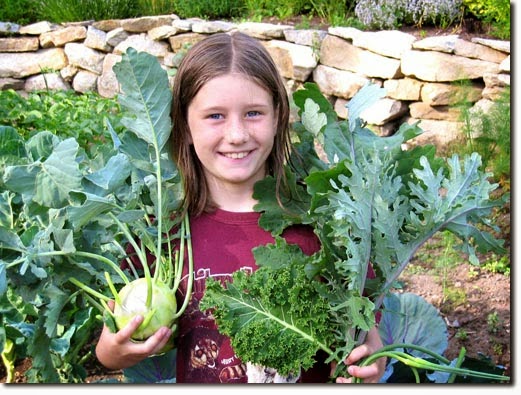
    Another great way to create local abundance is to get involved with growing food, either in your own backyard, or by joining forces with a local community garden.  Imagine if we all grew food and shared it with our neighbours!  Not only would food be local, fresh, cheaper and healthy, but it is a great vehicle for building community spirit and friendship.  Joe’s Connected Garden is a great example of this happening at a very local scale! 

     
    Start growing something… even if it’s only a few herbs or some tomato bushes… and offer some of your produce to your neighbours!


    Offer to help neighbours learn to grow their own food.  Offer to plant food and care for it in the gardens of elderly or disabled neighbours, who might have difficulty doing it themselves.


    Food Mile Problems

    Think about all the problems that transporting food long distances might create, but could be lessened, or avoided, by buying locally.  Some things to consider: freshness issues; health issues; environmental impacts; future viability with resource depletion; local food security; local community impacts.


    Take Action!


    • Have a family discussion about your findings. 
    • Create a Family Action Plan to guide your family in making decisions when buying food and consumable items.
    • Challenge your friends to do the same research for their household and compare results.  Were their results similar or different?  Why?
    • With your friends, create a presentation showcasing your findings and action plan suggestions to be presented to extended family and friends, your class or a local community organisation.
    • Create a flyer or report to be given to local people to help them make more local choices with their purchases.
    • Document the whole process of your research and make a short video so that other people can understand the issue better and take advantage of what you have discovered.  Post it on Youtube or show it to a local group.

    Creating a resilient local community is a vital part of any future sustainable living project and food is a ‘universal language’ that can be utilised to help bring a community together and make it stronger and more able to remain vibrant and healthy through any challenges to come.

    Living Locally

    A Sustainable Living Kid’s Activity


    How locally is your family living?

    A lot of products, including food, travel many miles- sometimes thousands- before they end up in your home.  This is not only wasteful in transport costs and the pollution and other problems that result from that, but also does not support your local community, enabling it to thrive in so many ways.

    The research projects below will help you to familiarise yourself with the concept of localisation and to understand ways in which your family can apply this in your community.

    Household Inventory

    Get a notepad and pen and make a list of the main household possessions.  It’s up to you how comprehensive your list is, but the more you include the better overall idea you will have.

    Leave food and other groceries for now, as we’ll look at this in another activity, but you could include things such as furniture; electronic; kitchen appliances; crockery, cutlery & kitchenware; bedding, towels, tea towels etc; curtains; carpets & mats; toys, games, sporting equipment; clothes, shoes & accessories; books, DVD’s, CD’s, software; outdoor furniture; BBQ; swimming pool; cars, boats, caravans, trailers… even things like hot water systems, solar panels, rainwater tanks, garden irrigation, statues and fountains.  Whatever you see as you explore your home and garden.


    Where Did They Come From?


    As you record each item, see if you can find a label stating its country, or place, of origin.
    If not, how might you be able to find this out?  Ask your parents if they know?  Google the brand or type of item?  Even if you can’t find the specific item, it might be possible to get some kind of indication as to the most likely places it might have originated.

    Have a look at the information you have collected.  How many of the items in your household were local… and how local?  Just from your country?  From your state?  From your city or town?  From your neighbourhood?

    Approximately how far did each item have to travel to reach you?  How might they have been transported?  Can you find out?

    Can you work out what resources might have been used to transport them… both obvious and not so obvious… direct and indirect?  What effect might the transport method and resources used have had upon the environment?


    Better Options?

    Choose a few items which have travelled many kilometres to get to you and research possible more local replacements.  What pros and cons do these closer items have over the more distant ones?

     Would your family consider trying the more local option if you needed to replace the old one?  Why or why not?

    If not, what kind of changes would a local manufacturer need to make to make it more likely you would choose their product?


    Home or Community Made?

    Just how local could you get in creating items for your home?  Can you or a family member make some of the things you need? 

    Maybe mum, dad, grandparents, brother or sister could teach you how to make things. 
    What about quilting, knitting, sewing, woodwork, metalwork etc?

    If your immediate family doesn’t have the skills, what about another member of your local community?  Could you give them the job of making something for your home, creating a double benefit of getting a lovely handmade piece locally and helping support a community member.

    Could members of your community teach you their skills?  Are their local classes that you could learn from?

    What about online videos that show you how to make various things?  There's a wealth of great instructive videos out there on making almost anything!  Learn how to do something well, then do it for members of your neighbourhood.  If you get good at something, why not make your own do-it-yourself video and post it on YouTube?


    Think of ways getting your household needs provided locally might affect your local community?  Be as specific and individual as you can.


    Talk It Over

    Make sure you discuss what you have found with your family so they can help be a part of the solution rather than the problem.

    What decisions can your family make about future purchasing criteria?

    Can you support local businesses and help create resilience and growth in your community and ensure there is a wide variety of resources available locally?

    If things can’t be located closer, are there even things your family might decide to do without now they know just how much it is costing the environment? 

    Maybe try to get friends involved with doing the same in their households and comparing what you all found.  Did you get similar results, or was their wide variation?  Why do you think this is the case?

    You and your friends could even create a presentation based on your results for your class, friends and family or a local group… especially if you had a sustainable communities or transition town type group in your neighbourhood.


    The more we can provide for our communities locally, the stronger the community will become and the less negative impact we will have on the planet.  Try to use the understandings you have gained by the above projects in daily purchasing decisions, both for yourself and your family as a whole.