Showing posts with label save. Show all posts

Saturday, 28 February 2015

Environmentally Friendly Cleaning With Products You May Already Have!

ENVIRONMENTALLY FRIENDLY CLEANING PRODUCTS


Rather than buying commercial cleaners, why not try some simple ingredients that most people have at home, or are easily obtainable.  Apart from environmental concerns, allergy sufferers- both those with skin sensitivities and breathing/asthma difficulties- are much less likely to have adverse reactions to these things, however, with any of the stronger natural products, it is still advisable to wear gloves.


Suggested Earth-wise Cleaners: 

Bicarbonate of Soda - Otherwise known as bicarb, carb soda or baking soda, this is a marvellous medium for absorbing odours from fridges, drawers etc. One of the great things about it is that it is a powder, not liquid, so it can be used in even delicate water sensitive items, such as cardboard boxes. Composed of sodium bicarbonate, and mildly alkaline, it is a mild abrasive and therefore is excellent for mild scrubbing. It is low in toxicity and forms a "detergent" which reacts with grease and oil. 

Salt - Salt acts as a scourer and a disinfectant. Excellent for saucepans etc.

Borax - Borax, an alkaline mineral salt, is a wonder cleaner! It dissolves grease, removes stains, disinfects, deodorises and inhibits mould. You can use it as a water or fabric softener. It can be toxic if eaten, so watch animals and children. This toxicity dissipates quickly in the environment however.

Soap Flakes - You should be able to buy pure soap flakes, or you can grate a bar of pure laundry soap to make your own. Store in an air tight container. Pure soap is biodegradable, low toxicity and unlike detergent, does not contribute to algal blooms in rivers.

White Vinegar - Will remove tarnish, bathroom scum and clean toilets, including removing hard water stains. 

Lemon Juice - Lemon juice smells wonderful and is good for deodorising, removing stains and inhibiting mould. Also, as a matter of interest, lemon juice works wonders if squirted into a dog's mouth in a dog fight! Best to avoid the eyes unless unavoidable, although it is a fairly mild acid so will probably only sting and not do any permanent damage. If you do get any in the eyes, rinse out of eyes immediately after the fight is stopped- make sure dogs are fully separated and unable to get near each other again first, or the fight may start again without warning, with you in the middle!
 

Eucalyptus and Tea-Tree Oils - Naturally scented disinfectants- add to hot water. Also, used neat, they are good for removing sticky goo off surfaces, but be careful with some plastics or plasticised surfaces! 

Washing Soda - Consisting of sodium carbonate (moderate alkaline) washing soda is useful in the kitchen for cutting through grease. Also removes stains and softens water.


SEE: More Environmentally Friendly pages.

Grey Water Systems - Are You Throwing Away A Precious Resource?

GREY WATER SYSTEMS

Recent drought conditions and water restrictions are causing many families to look at different options for making the most of the water they use.

One marvellous way to recycle your water is to install a grey water collection system.
With households producing about 350-450 litres of grey water each day, reuse of this water can lead to substantial savings, in both water and money.

INSTALLING GREY WATER SYSTEMS 
Storage tanks for grey water.
Make sure that you only install an approved grey water system, or it could be costly both money-wise and health-wise. You will probably find that some of the work will need to be done by licensed plumbers, as it involves work on sewer pipes.

Grey water storage tanks can be installed underground, under your house in certain situations, or as an outdoor tank. Some grey water systems are gravity fed, and others use pump systems.


This involves collecting grey water from household use, such as washing machines, hand basins, baths and showers- use of dish washing water is not recommended because of the food and grease particles it contains.

The grey water is usually put through a filtration or treatment system, and then reused on the garden, or rerouted back into the house to use for flushing toilets.

Families deciding to recycle grey water need to be aware of what they put into this water. Suitable detergents and personal cleaning products need to be used, as too much of the wrong chemicals can damage plants and contaminate soils.
grey water systems in australia

Germs can survive in gray water, so water used for washing soiled nappies, or while family members are ill, should not be reused. The same goes for showers/baths for little children who might not understand they should not urinate in water that is to be recycled.

Garden watering systems using grey water should ideally be delivered directly to the roots, with underground weeping or dripper systems. Grey water should not be sprayed on the surface of plants, in case of contamination and drifting of water to other areas, and on to people or pets.

It is not recommended that grey water (possibly with the exception of certain treated grey waters) is used on plants that will be eaten, such as fruits and veggies and herbs. Fruit trees are fine, as long as the water doesn't contact the fruit itself. Animals, or children, should not have access to greywater.

You should always contact your local council and state water body, to find out what rules and legislation your area has in regard to installation and use of grey water systems. 

Depending on which type of system you choose, the regulations will be different.


Types of Domestic Grey Water Recycling Systems:

Diversion Only Systems
These are the simplest and easiest to install grey water system. However, as they are not filtered or treated at all they may pose greater hazards, both to health risks and blockage of garden watering systems.

Usually operated as a gravity flow grey water system, they collect household water and flow it directly onto the garden. Diversion only systems will usually require less "red tape".

Diversion and Filtration Systems
These systems strain the household water, filtering hair or other particles. The grey water is then less likely to block garden watering systems. The filter does need cleaning or replacing at times, and they will cost more to install than diversion only systems, but are less likely to cause annoying problems with your garden pipes so may be worth considering. They are also more heavily regulated. 

Diversion and Treatment Systems
The best quality, and least hazardous, grey water is produced by a diversion and treatment system. These use various different methods, such as sand filters or aeration, to treat the water and cut down germs and solid particles.

This water can be used in more direct irrigation systems and also for flushing toilets. Installing one of these systems is much more expensive, and there are ongoing expenses and maintenance. Once again, there is much greater regulation for this type of system.


Grey water systems
Installing a grey water collection system would make a great "eco friendly" family DIY project for the handy person and enthusiastic helpers. Just make sure you comply with any regulations and get professional help where required.

The internet is the ideal place to find lots of information, useful tips and product details for the various grey water systems on offer. It also gives easy access to a variety of suppliers, so that you can compare prices and other details, so that you can get the best system and price for your specific needs.

Happy Watering! 


Hybrid Cars - Making A Difference Today

Hybrid Cars and Hybrid Vehicles - Make Way for the Future


Cars are used by more people today than they ever were. This is because people tend to travel more and there are more people that want to travel.

It may be because of a person’s work, study or for the sake of just plain getting out and travelling. However, as the need for cars increase, there are more improvements made in the industry so that there can be better cars today, that are more economical, easier to handle, easy to maintain, and other needs of the car consumer at large.

Today, we have hybrid cars that fill the logical gap between petrol guzzler and a full electric car, for those that can't afford to go the full electric car path just yet. 


Hybrid cars are generally those that work by putting together a car’s petrol engine, electric motor and the battery.

There is a different charging method that is used thus the battery is not needed to be regularly plugged in.

Hybrid cars can have petrol and electric motors.

Generally, there are two classifications of hybrid vehicles- the mild hybrid and the full hybrid. It would be better to know the difference between the two since this can be a big factor if you plan to buy a hybrid car.

The mild hybrids, still use the fuel engine. However, when there are situations that may need extra supply of power, then the electric power will be the one to assist.


hybrid vehiclesHowever, the full hybrids can have both the petrol engine and the car’s electric motor to work independently without the help of the other.

This is a situation that is not applicable in mild hybrids as its electric motor is still dependent to the fuel engine. In this set up, the electric motor can work without being dependent to the fuel but when the car is speeding, the fuel engine will be the one to function.


In both hybrid vehicle kinds, the car will save petrol and also have lower carbon emissions. Thus, the aim of hybrid cars is not only to save money but also to keep the environment clean (environmentally friendly).

The engines are not the only things that would be different if you use a hybrid vehicle. The maintenance will also differ in that you need to make sure that you know how to properly care for the car before even thinking of purchasing it.

The steps can be simple to follow, however they can be critical in keeping your car at its best performance. Car maintenance is important for you to benefit from the improvements and benefits from hybrid vehicles.


If you are considering buying a hybrid car, then you should make sure that the car you buy will be easy for you to maintain and its features and functions suit your needs.

This way, you can feel assured that hybrid vehicles are actually a great choice in terms of style, fuel savings and environmental considerations.
Buying a htbrid car in Australia.

NEWS.com.au had this to say on the state of the Hybrid Cars Market in Australia...

PRICES are down, value is up and the hybrid message is starting to hit home in record numbers.

The fuel-efficient petrol-electric passenger cars started out as market oddities when Honda first brought the Insight to market in 2001.

Now they are finding mainstream market.

Private buyers are also now buying them in greater numbers:
--> June sales figures showed an 84 per cent increase in hybrid vehicle sales to private buyers, nearly double the fleet market increase.
--> July sales figures, to be released soon, are tipped to show another marked increase.

The Hybrid Car segment has increased in size, with an expanded Toyota Prius range going on sale earlier this year, as well as the arrival of the Australian-assembledCamry Hybrid.

Honda has expanded its hybrid range from one there-door two-seater in 2001 to the CR-Z sports coupe and the Insight hatchback and Civic sedan.

Toyota's luxury arm Lexus has four hybrid models on sale in Australia and BMW has 3 and 5 Series hybrid models in its short-term Australian future.

Range-extender vehicles from Holden (the Holden Volt) and Nissan's luxury brand Infiniti will further expand the choices for green motoring when they go on sale in the next few months...
IN THE NEWS


HYBRID CARS


IN THE NEWS


If you're not quite ready to move up to an electric car then a hybrid vehicle may be the next best thing when it comes to lowering your running costs while reducing car emissions.


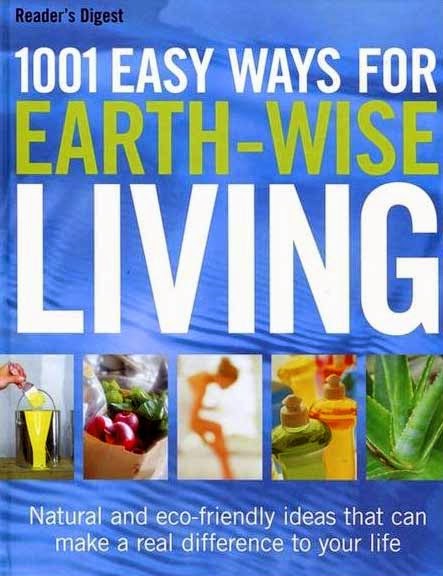
1001 Easy Ways for Earth-Wise Living

1001 Easy Ways For Earth-Wise Living Natural and eco-friendly ideas that can make a real difference to your life.

Many people are becoming aware of just what an adverse effect many of our modern lifestyle practices are having on the earth... and just how fragile our planet is.

Some of our actions have caused ecosystem destruction, species extinction and health concerns.

Before it is too late for even more of our precious natural resources, we need to carefully look at the ways we personally add to these problems and what steps we can take- on an individual level- to become more Earth Wise in our daily lives.

To find ways to step more lightly on the planet.


1001 Easy Ways For Earth-Wise Living is an amazing resource for just this venture.

Published by Reader's Digest, it is the usual high quality, comprehensive publication that you would expect from them.

This book introduces us to what earth-wise living is, what the benefits are and how to go about making changes. It then proceeds with sections of information for the changes we can make in each area of our lives.

The first section is called The Natural Home. This is divided down further into segments:

  • Efficient Living discusses energy efficient homes, insulation, heating and cooling, lighting, and water -wise living.
  • Room By Room takes us through each room in the house, with environmentally friendly ideas for appliances, water use and recycling.
  • Building and Renovating introduces us to energy efficient and earth-wise ways to build, including materials, efficiency ideas and solutions to common problems.

Strawbale Building Technique

The next section is Around The Home: 

  • Earth-Wise Cleaning introduces us to greener cleaning materials for each room and situation, and even some great "recipes" to make our own.
  • Waste Watch discusses reducing, reusing and recycling in the home.
  • Household Pests shows us how to discourage and banish pests from our homes, the most environmentally friendly ways possible.
  • Caring for Your Pet introduces homemade pet foods, natural remedies, dealing with pet pests such as fleas and the benefits of exercise and play for your pet... and you!
Cat flea treatment ideas

The Healthy Body is the next section: 

  • Eating Well covers the benefits of fresh food, organic food, preserving and storage, freezing and some great recipes. It also discusses food additives and label checking.
  • Nutrition Basics talks about balanced diets, the importance of fruits and vegetables, energy boosters and developing healthy eating habits.
  • Exercise For Life tells us how to get fit, aerobic exercise, strength training, non-impact exercise and suggestions for getting a good night's sleep.

Feeling Well follows: 
  • Looking Good discusses understanding and caring for your skin, hair and body, including cleansing, toning and moisturising, with lots of earth friendly recipes for making your own products.
  • Holistic Health introduces natural therapies, healing, coping with modern life and relaxation.
  • Natural Remedies covers feeling good, treating minor ailments, aches and pains, more serious health conditions, plus health for women and the older body, and some earth-wise medicines.

Earth-Wise Gardening is next, for all of you with "green thumbs": 

  • Working With Nature discusses going organic, companion planting, natives, wildlife attracting gardens and low maintenance strategies.
  • Garden Basics covers mulch, compost, fertilising, irrigation and water-wise design.
  • Planting Guide goes into creating various kinds of gardens, such as vegetable patches, herb gardens, flowers for beds and borders, plants for fragrance and foliage and lawns and grasses.
  • Dealing With Problems delves into keeping weeds under control, garden pests (insects and 2 or 4 legged), garden chemicals and generally keeping your garden healthy.

The last section Out and About looks into impacts further afield: 

  • Buying Power talks about the power of our purchasing choices and how to shop environmentally. Eco smart shopping tips for personal products, fabrics, and other household products and items. It also discusses ethical investing and expenditure.
  • On The Road gives tips for choosing and using a vehicle to be as environmentally friendly as possible, including emission reduction and earth-wise maintenance. Also discussed is using public transport and bicycles.
  • Travelling Light covers travelling away from home, on holiday and adventures. Walking holidays and eco aware travel tips are included.
Holden Volt - Extended Range Electric Car


Following these major sections is a Resources guide which gives details of lots of interesting websites with green eco smart information, categorised in their particular area of interest eg Cleaning, building, environment, recycling, water.

A comprehensive index helps navigate your way through the substantial information in this book, which is useful as it is 335 pages long.

Altogether, this is a marvellous collection of tips, hints, ideas, recipes and discussion about lessening our impact and giving planet Earth a chance at regeneration.

I recommend it highly to everyone who cares and wants to make a personal difference...

and leave a better, healthier, sustainable future for our children.


1001 easy ways for earthwise living

 ISBN: 978-192107736-4


Stain Removal - The Environmentally Friendly Way!


ENVIRONMENTALLY FRIENDLY STAIN REMOVAL


Clean and Green! Are you concerned about all of the chemical products in use today, and their effects on our health and the world we live in?  Especially on things we are in close contact with, such as our clothes.  People with allergies may be particularly concerned by this. 

A lot of stains can be removed by gentle, natural and environmentally friendly products. 

In fact, many of them need nothing more than a soak in plain water. 

Always be aware of possible non-fast colours or colour changes in stain removal. Some fabrics may react differently to various substances. Testing on an inside piece first is advisable if you are concerned. 


Here are some earth-wise alternatives to harsh chemicals:


  • Ballpoint pen- Use a cloth dipped in eucalyptus oil or methylated spirits to sponge the stain.
  • Beetroot- Soak in a solution of 1 litre of cold water and 4 tablespoons of borax.
  • Berry stains- Rub the stain with lemon juice or vinegar, leave for an hour, then wash as usual.
  • Blood, fresh- Soak in a bucket of cold water with a handful of salt mixed in.
  • Blood, old- Rub first with vegetable glycerine (available at health food shops) then continue as above.
  • Chocolate- Soak in a solution of 1 litre of cold water and 4 tablespoons of borax.
  • Coffee- Soak in a solution of 1 litre of cold water and 4 tablespoons of borax.
  • Cosmetics- Make a solution of 1 part cloudy ammonia and 3 parts water. Dab on the stain.
  • Egg- Soak in a solution of 1 litre of cold water and 4 tablespoons of borax.
  • Fruit Juice- Soak in a solution of 1 litre of cold water and 4 tablespoons of borax.
  • Grass- Dampen the area with water, then sprinkle with sugar. Roll up and leave for an hour, then was as usual. Alternatively, rub with eucalyptus oil.
  • Grease/Oil- Soak in a bucket of water with 1 tablespoon of washing soda and 1 teaspoon of eucalyptus oil.
  • Mildew/Mould- Make a paste of lemon juice and cream of tartar. Put on stain. Allow to dry, then brush off and wash as usual.
  • Milk- Rinse in soapy water, then soak in water and vinegar for 15 minutes.
  • Rust- Make a paste of salt and lemon juice. Rub into stain, soak 20 minutes, then wash.
  • Soft Drink- Soak in a solution of 1 litre of cold water and 4 tablespoons of borax.
  • Tea- Soak in a solution of 1 litre of cold water and 4 tablespoons of borax.
  • Vomit- Scoop up any solid parts. Soak in a solution of 1 litre of cold water, 4 tablespoons of borax and a few drops of eucalyptus oil.
  • Wine, red- Immediately apply soda water. Then soak in a solution of 1 litre of cold water and 4 tablespoons of borax.
  • Wine, white- Apply soda water, then wash.

    You may wish to print this list out and keep it in a handy location for future reference!

SEE: More Environmentally Friendly pages.


How to Create An Energy Efficient Home

HOW TO MAKE YOUR HOME MORE ENERGY EFFICIENT

Some of your choices will depend on the type of climate in which you live.

Do you need to lessen or enhance the sun's impact?

Do you need to ensure the option to do both, as you experience cold winters, but also hot summers?
Energy efficiency in different climates.

  • If building an energy efficient new house, research and plan to position your house in the most appropriate position. Consider the positioning of large expanses of windows. Also, take into account other nearby structures and vegetation - will they help protect or obstruct your home? Is there likely to be any other construction in the near future which will affect you?
  • Choose double glazed windows to cut down on heat/cool transfer with the outside.
  • Dress windows with thick curtains, which can be drawn back to reveal light netting curtains, so that you are suited for any occasion.
  • Install an enclosed top pelmet above your windows.
  • Outdoor blinds and awnings will help keep out summer sun.
  • Install well fitting doors, and create areas which can be closed off, so that you can run heating or cooling only in the areas you are currently using. Put *door snakes* at the bottom of doors to stop air leakage.
  • Plant trees, creepers or shade cloth pergolas to help cut down the sun. If you wish to allow winter sun, choose a deciduous tree, or removable shade cloth.
  • Install insulation in your ceiling and walls if possible- plus even floor insulation may be possible.
  • Also, insulate your air conditioning ducts and hot water pipes.
  • Research the cheapest and most energy efficient forms of heating and cooling for your climate and situation.
  • Install energy efficient appliances.


    energy efficient new house

10 More Energy Saving Tips for your Home 


  • Install energy efficient lighting.
  • Have lighting where you need it, so you don't have to run brighter lights or more lights to get light to where you want it.
  • Install water saving shower heads.
  • Only operate appliances such as dishwashers and washing machines with a full load, or choose a low water setting. Wash clothes in cold water where possible.
  • Install rainwater tanks.
  • Install a grey water system.
  • Plant drought tolerant plants and lawns- if you must have a lawn.
  • Mulch plants well.
  • Create directed run off from paved areas into your garden.
  • Hydronic heating and cooling throughout your home.

Planning for an energy efficient home.Putting some serious thought and planning into the energy efficiency of your home will have ongoing benefits to you in terms of comfort and expenditure... and give a lasting legacy to the environment.


With the growing rise in energy costs, as well as the environmental impact of greenhouse gases and over-use of our natural resources, it makes sense to make your home as energy efficient as possible.

Whether you are building a new house, or taking steps to *green* your current home, there's lots you can do!


Sustainable & Resilient Communities

DESIGNING FOR THE FUTURE

In working to minimise the multifaceted problems facing the world as we move ahead in the 21st Century- such as climate change, pollution, Peak Oil... and in fact Peak Everything- there is a lot that can be done at community level. This article is aimed at opening up ideas and discussions and stimulating questions that hopefully will lead to a better understanding of what the options are and and to help you discover the areas in which you would like to get involved.
 

Community is going to play an enormous role in future resilience and the sooner we begin to re-establish a deeper connection to our community, and work together with our neighbours, the better off we will be.

So... what kinds of communities are we seeing evolve, what issues are they tackling and how can we all play a part in creating our future?


TRANSITION TOWNS

The Transition Town movement, which began as a concept developed by Rob Hopkins and his students in Kinsale Ireland and then further expanded and put into action in Rob Hopkin's current hometown of Totnes UK, is now underway in many countries of the world, with many more communities in the early stages of involvement.

Transition towns work to a plan to take their community from high impact, high fossil fuel dependency to ways of operating which have less impact and are not so dependant on high usage of fossil fuels.

Is your town/area/suburb a "Transition Town"? If so, find out ways that you can get involved.

  • If not, who might you talk to within your community about the possibility of it becoming a Transition Town?
  • How might you be able to drum up community enthusiasm and participation for becoming a Transition Town?
  • What might the transition and energy descent plan look like for your area?
  • What considerations are important for your community?


Transition Town Maroondah

ECO VILLAGES AND INTENTIONAL COMMUNITIES

These are purpose built, or established, communities which implement environmentally friendly practices, materials and lifestyles as a major focus of the whole community. The members work closely as a team to make the community work. Intentional communities may also have a specific focus which the members share, such as maybe creative pursuits, natural therapies or maybe spiritual beliefs.


LOCALISATION


Localisation is a big part of the Transition Town plan, and important for any community. It is not practical to continue relying on things to be brought in from great distances, not sensible for people to live far away from their jobs, shops, services and family. It makes much more sense for things to be concentrated within your local community, preferably within walking or biking distance.


  • What products and services do you utilise in your local community?
  • What could you access locally that you usually source from further afield?
  • What do you have to leave your community to obtain?

An interesting exercise is to trace the path of your food- and other items if you wish- from where it is produced to your home. Where does it originate? How does it travel to your location... and how far is this? What other resources might be used it getting it from "there to here"... such as maybe refrigeration?

Can you find ways to change your eating and other consumption habits, to use food etc which can be sourced closer to your home?

Can you find local farmers or growers whom you could buy from direct? What about neighbours with backyard chickens or veggie gardens- do they have excess for sale, or maybe a swap?

Approach your local supermarket or other shop about getting in more locally grown and produced food.

What about setting up a barter or other exchange system for your local community? They might be especially useful for skill-sharing projects.


IMPORTANT COMMUNITY CONSIDERATIONS


Every community has certain requirements- some are much the same from community to community, while some are more specific to an individual community.

What kind of needs does your community have and how could they be provided more locally, and using "greener" means? How can your community become prepared for these changing times?

Some of the things you might consider are:

  • Health and wellness care specific to your communities needs? Elder care?
  • Food- what could be made or grown locally? Community Gardens? CSA's, swaps and markets? Encourage households to grow food? Council land that could be utilised for food growing? Fruiting street trees? Preserving and storing food?
  • Localised employment possibilities to save on commute time? Making use of local people for things such as garden maintenance, cleaning, childcare etc.
  • Transport- does your community need to campaign for better public transport? A community bus? Car pools and car shares? Transport for elderly members?
  • Water- How about rain harvesting? Households encouraged to have rain water tanks? Water saving plans for public parks and sporting facilities etc.
  • Waste- can better use be made of storm water or grey water? Can a lower impact sewage treatment/disposal system be implemented?
  • Energy- generation of solar and wind power on public buildings? Households encourages to have solar panels?
    Rawnsley Park Solar Panels
  • Housing- "green" requirements for new houses? Retrofitting encouragement for existing homes? Use of vegetation to help control climate?
  • Workshops and classes held on all kinds of relevant topics, such as permaculture, organic gardening, retrofitting houses, reskilling etc.
  • Emergency preparedness- emergency plans for potential disasters for your area? Advice on emergency supplies for households in case of extended power outage or interruption to food supply? Plans for community security and safety in the event of a disaster or other occurrence?


Do some research into what skills and knowledge your local community members possess. There may be untapped, or under-utilised talents right at your doorstep!

What is missing?? Can you recruit people to your area to fill those gaps?


COMMUNITY BASED PROJECTS


Great savings in all kinds of ways can be made when communities work together on joint projects, or share resources. This is also a wonderful tool in building community spirit.

Here are some community projects which have been successful in many areas- maybe you will be able to implement some of them in your community:

  • Tool Libraries- a collection of tools and equipment, usually both donated and bought from borrowing or membership fees, available for loan or hire to members. This could also be done on an unofficial basis, by neighbours sharing what they have, rather than everyone owning a lawnmower, for instance. Neighbours may also decide to go in together on a group owned item. Of course, some general rules need to be agreed to between the parties, to make things as conflict free as possible.
  • Toy Libraries- similar principle to above. Allows parents to borrow new toys for their children to enjoy, especially as children outgrow certain interests, or would just like a change. Many book libraries also have toy libraries.
  • Community Garden- Either run on a plot per household basis, or everyone works in together on whole garden and divides up the harvest. Once again, clear guidelines are needed.
  • Community produce swaps and markets.
  • Trash and treasure type swaps/markets.
  • Local currency- a currency which is only usable locally, at the places which have agreed to honour it. This has worked successfully in several locations, but is certainly something which needs proper research before implementation. The LETS scheme is a variation on this kind of system.


Fern Avenue Community Garden

RE-SKILLING

To thrive in coming times, communities are going to require a resurgence of older skills, which are now much rarer and, in some cases, almost lost. Many things which we now rely on machines to do will need to be done, once again, by hand or by machines which don't require fossil fuels.

Skills which may be worth learning, brushing up on or locating people who know them:

  • Sewing and knitting
  • Gardening- organically, or permaculture, especially with regard to food plants
  • Preserving and storing food
  • Home cooking from scratch
  • Medicinal herbs and bush foods/medicinal plants
  • General first aid
  • Woodworking, basket weaving
  • Using hand tools
  • Repairs, knife sharpening, wood chopping
  • Building and retrofitting
  • Blacksmithing

Choose one, or more, and start learning!


HONOURING ELDERS AND INDIGENOUS KNOWLEDGE


One of the great resources we should be turning to, and honoring, are our elderly people who have lived through times using the skills and principles we are needing to re-learn. Before it's too late, take the time to talk with older relatives and friends, or see if you can visit an aged facility, and really listen to what these people can tell you about thrift and making do and using less and ways to do things that don't require fancy machines or plastic galore. They won't be around forever, and when they go, their skills, knowledge and wisdom may go with them... unless we keep it alive.



Our indigenous people, especially the older people, also have so much to offer in understanding our relationship with the land and how we can better work in harmony with it. They also have knowledge of bush foods and medicinal plants, which are ideally suited to our specific climates, and may be useful in times of need.


COMMUNITY SPIRIT AND ENGAGEMENT


As much as possible, try to engage as many members of the community as possible in discussions and decisions about how your community might proceed, and allow people, where possible, to get to work on those areas for which they have enthusiasm. When people feel "ownership" of ideas... feel that they have a say and can act on their own ideas... things that they feel strongly about and have a passion for, they quickly build momentum and can achieve great things!

Community building events such as pot luck dinners, BBQ's, community produced entertainment, working bees, workshops etc help people to feel more a part of their community and more willing to take part in things more enthusiastically.

It is important to create connection, to re-create the village mind, and celebrate all that each person has to offer. All the skills, ingenuity and creativity that come together to make something truly wonderful happen. Together, we can achieve much more than the sum total of our individuals, we can become resilient and meet the future and what may come with a joy and positivity... knowing that we are not alone.


Sustainable Food for the Future

Food that helps everyone & everything!

One of the most important issues facing the world is creating sustainable food systems for the changing future. We will no longer be able to rely heavily on fossil fuel abundance to grow, transport and store our food, in the way we have been used to.

That doesn't mean we need to starve however. It means we need to get moving on putting in place other options and implement the changes necessary.


GROWING YOUR OWN FOOD

Never underestimate the power of what you can achieve as an individual. Growing at least some of your own food gives you and your family security and resilience, in times of food supply interruption and provides you with healthy, fresh produce. And if everyone grew food, and swapped excesses with friends and neighbours, the whole community would become more self sufficient.

Get started now, while the need is less urgent, so that if the time arises that you need that food, you have ironed out the bugs and can grow successfully.

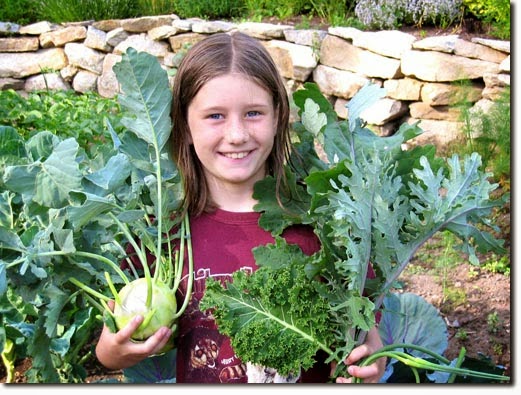
Growing food is also a wonderful activity for children to be a part of. It provides exercise, sunshine, a bond with the earth, an understanding of cycles and seasons and uplifts your mood. It also makes some special family times and memories... not to mention the delight a child will experience eating the first ripe tomato of the season, or snapping open fresh peas, straight from the plant!


HOME PRODUCE AND COOKING


Learning, and teaching your children, how to cook wholesome, home made meals from scratch, using wholefoods and produce straight from your garden, is a great skill that will set a healthy pattern for their lives. Experiment... cook over a fire, use a wood oven, try a solar oven. Who knows when these skills may be needed.

If you eat butter and cheeses, Why not learn to make your own? What about your own bread... and don't cheat and use the bread machine. Make your own stocks, your own croutons, your own yummy cookies. See how many things that you usually buy pre-made that you can make yourselves.


STORING AND PRESERVING FOODS

Learning how to properly store different foods- from dry goods to fruits and vegetables- will save a lot of wastage and you will be able to make use of a lot more of your abundant crops or bulk purchases for a longer time period. Keeping out pests is an important aspect, as is correct temperature and humidity. Setting up a good pantry or root cellar record list is a great idea, as well as a rotational schedule to make sure you use the oldest items before the newly added ones.

If you have an excess of harvest, why not try learning how to preserve it for later use? The more ways of preservation you can put into practise, the greater variety of preserved food you will be able to produce.


Try some of these:

  • Freezing- a common way of preserving, but works better when you actually know what you are doing and follow some simple principles.
  • Drying- you can buy special food dryers, or make your own sun dryer.
  • Smoking, salting, glacĂ©.
  • Making jam- used to be very common, but less so in the age of convenience.
  • Bottling/preserving and pickling

HEALTHY DIETS FOR YOU... AND THE PLANET!


Animal products have the greatest environmental impact, in a host of ways, and therefore are not environmentally friendly at all. Many would say they are not good for your health either. Cutting down, or eliminating, meat and other animal products, is a great way of helping cut down greenhouse gases and the massive destruction to the environment brought about especially by factory farming, along with mass clearing land for grazing animals and growing livestock feed..

So, what are healthy diets? The closer you eat to how a food comes naturally (in most cases) the healthier that food should be. So, wholefoods, not processed. If it has an ingredient list... it's probably not very healthy (with certain exceptions of course.)

Vegan, or if you don't feel you can go that far, vegetarian. If you feel you can't give up meat, eggs or dairy make sure it is truly free range organic- not full of chemicals, toxins, hormones and antibiotics.

Eat lots of fresh, organic raw fruits and vegetables. Straight from the plant if you grow your own! You don't want to be eating something that has sat in storage for months, been artificially ripened with gas, or travelled hundreds or thousands of kilometres by the time it reaches you. How many vibrant nutrients do you think it still has after all that?


PROBLEMS WITH CURRENT FOOD PRODUCTION SYSTEM


Unfortunately, much of our current agriculture and food production is geared towards making as much money, for as little expenditure as possible- with seemingly little consideration for the "product" (animals or plants) or the humans that end up eating them.

Some problems are:

  • Production of enormous amounts of greenhouse gases, and other pollutant, along the entire chain of production.
  • Toxic chemicals, hormones, antibiotics etc ending up in both plant and animal foods.
  • Deforestation and land degradation to grow/graze.
  • Oceans being over fished, polluted, fish ingest mercury and other toxins.
  • Huge amounts of fossil fuel used for transport of food over long distances.
  • Huge monopolies taking over, and having ultimate control of, certain industries.
  • Government subsidies for certain industries.
  • Health impact studies sponsored by the industry the studies are testing.
  • Processed foods being stripped of nutrients and dietary value.
  • People becoming ill, obese and dying as a result of their poor diets.
  • Workers rights ignored, and abuse rife, in certain industries.
  • Immense suffering and hardship by the animals raised in factory farms.

COMMUNITY FOOD PRODUCTION


Within a community, much of its food can be produced locally, by individuals or small organic growers. Localisation is going to become increasingly important. Apart from individuals growing their own food, there are other options to obtain good healthy produce.

Community gardens are a wonderful way to get the community motivated, and is important for those who may not have their own land for gardening, such as those living in flats or retirement villages. They also provide social interaction, exercise and sunshine to those who take part.


Share gardens is another option, where people with garden space to spare partner with those willing to do a lot of the work. This is particularly relevant for older people who may have larger gardens, but find a lot of gardening too difficult. They may partner with younger people living in nearby apartments, who have no garden areas they can use.


CSA's (Community Supported Agriculture) is another great idea, as is approaching local farmers yourself to see if you can buy produce direct... or even have the fun of pick-your-own!

Working together, at a local level, we can create food resilience in our community and ensure the availability of enough food and a healthy diet for all.


Fern Avenue Resilient Gardening