Showing posts with label solar power. Show all posts

Saturday, 28 February 2015

Old Wilpena Station, Flinders Ranges


In northern South Australia is a remarkable, spectacular National Park called the Flinders Ranges National Park.  One of the most historically fascinating places in the Park is the Old Wilpena Station which was still a working station within until the mid 1980's.

Situated not far from the towering mountains of the Pound itself, and within walking distance from the Resort and caravan park, this area is one of the more lushly vegetated areas of the Park.

But its real charm lies in the relics of past lives and farming in the region.  One of the unique aspects of the station is that the buildings are in excellent condition, due in part to the excellent caretaking of its past by the last residents, the Hunt family.

Rather than just demolish old buildings as was done on a lot of country properties, or allowing them to fall into ruin, they kept restoring them as needed and using them as station outbuildings, over the years. 


Book-Keepers Cottage

There are also many old items and fittings still present which give a unique insight into the workings and life on an outback property.  These include lots of old farm machinery,
blacksmiths bellows, tools and made items, hanging 'mouse proof' shelves in the old store and a fascinating herringbone pattern wooden floor and sack ceiling in the book-keepers cottage.
 Mouse-proof Shelves in the Store.

Food and other stores for the shepherds and other station workers were kept here and doled out in set amounts.


The Store Building.


Blacksmiths Workshop


Inside the Smithy
Old tools and items made by the blacksmiths still in situ.


Blacksmith's Cottage

More recently, as the station precinct reverted to National Park, mush renovation has been done on the main Homestead and it is now the Park Headquarters/ ranger station.  

The outbuildings and other historical features have also had some restoration at various times.

Visitors to the Park are fortunate in that they can stroll through the Homestead gardens and outbuildings, amongst towering gum trees and the Wilpena Creek nearby.

Emus, kangaroos and various birds are bound to be seen abundantly in the area.


The Homestead and Garden

The gardens are based on "Old English" style gardens, with a number of rose bushes, irises, violets, bulbs and a fruit tree orchard.

The Friends of the Flinders Ranges group maintain the garden, as well as help with various restoration and maintenance issues in the precinct. 


A replica of the old swing used by the hunt girls as children has been lovingly created by one of the Friends founding members, Athol Jackson.  In a corner near the gate grid is a special little spot... the Pet Cemetery where their beloved cats and dogs are buried, with their own cement monument 'stones'.

Behind the outbuildings is also a small people cemetery where a couple of people who worked at the station are buried.  


A 'meat safe' building lies behind the house, as do chicken coops.  There's even a more recent addition of a compost heap - courtesy of the Friends.


'Friends' compost heap used for garden green waste, returned to the garden as rich compost.

Some distance from the main homestead area is the old shearers quarters and shearing shed.


The Old Wilpena Station is a good reminder of the simpler more basic ways in which people lived in years gone by.  Lives dictated by the seasons and their environment... a harsh unforgiving environment at times.

They grew/produced a lot of their own food, water was taken from the spring, windmills pumped water to the stock and a wind power generator was situated on the top of a nearby hill with power lines running down to the house.

Water is still used from the spring to provide water to the Wilpena Resort and Homestead areas and a large solar power array has provides a portion of the power for both for many years... even before solar became popular in suburban areas- as well as a more recent smaller solar array providing power to the Oraparinna ranger station further north and one at Rawnsley Park station, as the power source for their wonderful Eco Villas. 

Solar Array - Green Power
Solar Array at Rawnsley Park station.


Windmills are still dotted through the area, and on neighbouring stations.


Rawnsley Bluff
Windmill on Neighbouring Rawnsley Park station.

Reminding us of others who lived simple lives, even more in harmony with the land, is 'Ikara'... the meeting place in Adnyamathanha, the local indigenous tribe of the region... which is a fascinating monument in honour of the traditional owners of the Flinders Ranges.


The 'Ikara" Monument at Old Wilpena station precinct.

There's an almost spiritual beauty about this place... towering mountains, ancient red gums, eagles soaring overhead, days ended with spectacular sunsets.

A visit here will give you a new appreciation for the brave hardy families who made their homes in this wild location. 

Tickets of entry are available in the Wilpena Information Centre, near the campground.  


Not to be missed if you are visiting the area!


Flinders Ranges Sunset


How to Create An Energy Efficient Home

HOW TO MAKE YOUR HOME MORE ENERGY EFFICIENT

Some of your choices will depend on the type of climate in which you live.

Do you need to lessen or enhance the sun's impact?

Do you need to ensure the option to do both, as you experience cold winters, but also hot summers?
Energy efficiency in different climates.

  • If building an energy efficient new house, research and plan to position your house in the most appropriate position. Consider the positioning of large expanses of windows. Also, take into account other nearby structures and vegetation - will they help protect or obstruct your home? Is there likely to be any other construction in the near future which will affect you?
  • Choose double glazed windows to cut down on heat/cool transfer with the outside.
  • Dress windows with thick curtains, which can be drawn back to reveal light netting curtains, so that you are suited for any occasion.
  • Install an enclosed top pelmet above your windows.
  • Outdoor blinds and awnings will help keep out summer sun.
  • Install well fitting doors, and create areas which can be closed off, so that you can run heating or cooling only in the areas you are currently using. Put *door snakes* at the bottom of doors to stop air leakage.
  • Plant trees, creepers or shade cloth pergolas to help cut down the sun. If you wish to allow winter sun, choose a deciduous tree, or removable shade cloth.
  • Install insulation in your ceiling and walls if possible- plus even floor insulation may be possible.
  • Also, insulate your air conditioning ducts and hot water pipes.
  • Research the cheapest and most energy efficient forms of heating and cooling for your climate and situation.
  • Install energy efficient appliances.


    energy efficient new house

10 More Energy Saving Tips for your Home 


  • Install energy efficient lighting.
  • Have lighting where you need it, so you don't have to run brighter lights or more lights to get light to where you want it.
  • Install water saving shower heads.
  • Only operate appliances such as dishwashers and washing machines with a full load, or choose a low water setting. Wash clothes in cold water where possible.
  • Install rainwater tanks.
  • Install a grey water system.
  • Plant drought tolerant plants and lawns- if you must have a lawn.
  • Mulch plants well.
  • Create directed run off from paved areas into your garden.
  • Hydronic heating and cooling throughout your home.

Planning for an energy efficient home.Putting some serious thought and planning into the energy efficiency of your home will have ongoing benefits to you in terms of comfort and expenditure... and give a lasting legacy to the environment.


With the growing rise in energy costs, as well as the environmental impact of greenhouse gases and over-use of our natural resources, it makes sense to make your home as energy efficient as possible.

Whether you are building a new house, or taking steps to *green* your current home, there's lots you can do!


Thinking Green - Our Homes & Beyond

There are a lot of environmentally friendly, or green issues, relating to products used in around the family home, or in our lives further afield.  Here are some things to think about to help you make 'green' decisions and changes!

Cleaning

There are a lot of issues relating to environmentally friendly cleaning around the house, here are a few to consider:

 
  • Do you know all of the ingredients in your cleaners ?
  • What is the active ingredient in your cleaner ?
  • Does your cleaner cause breathing, eye or skin irritation ?
  • Is your cleaner made from natural ingredients ?
  • What does toxic mean ?
  • Is your cleaner considered a poison ?
  • What are environmentally friendly cleaning products ?


Energy

Energy bills are a concern for any household, therefore the incentive to go for green energy must include a reduction in cost at some point. Not just in green energy or more sustainable energy but in energy usage.

Here are some considerations in relation to reducing energy use as well as using green energy: 

  • Why do you see more and more solar cells on household roofs ?
  • Is solar power cheaper for my household ?
  • How much does solar power costs to install ?
  • Is solar power affordable ?
  • What is wind power ?
  • Can I power my house with a wind generator ?
  • Is solar power effective ?
  • Can I make money back with solar power ?
  • How much are solar batteries ?
  • Are compact fluorescent lights cheaper to run ?

    70 Tips For Saving Energy in Your Home
  • Why can we no longer buy household filament globes in Australia ?
  • How much power is used when a machine is on standby ?
  • What is the household cost of all the items that are on standby for a year ?
  • What energy using devices in your house are on all-the-time ?
  • What are energy star ratings ?
  • How could you more efficiently use a fridge, an oven, a pool ?
  • What situations involve the use of a number of electronic devices at once (video games / dvd ) ?
  • What is the most economical way to run a reverse cycle air conditioner ?
  • What is the most energy efficient way to heat your house, and cool your house ?
  • Does insulation make my home more energy efficient ?
  • What is the energy star rating system ?
  • Can I monitor my electricity use with a meter ?
  • How do roller shutters reduce energy use ?
  • Can heavy curtains reduce my energy use ?
  • Can carpet reduce my heating costs ?
  • Can roof air vents (whirlybirds) reduce my home energy costs ?
  • How do skylights reduce my lighting energy costs ?
  • What are the best practices for an energy efficient home ?


Food

There's a number of green issues that we can take a look at in regards to food. Here are a few to get you started:

  • What are the most energy efficient ways to heat food ?
  • What are the most energy efficient ways to keep food cold ?
  • Is it better to buy from a supermarket or a fruit and veg store ?
  • How far has your food you buy travelled (what are food miles) ?
  • Are there environmental animal issues with certain foods ?
  • Is is more energy efficient for the family to all eat together ?
  • Do you sit in front of the TV when you eat ?
  • Is your food wrapped in plastic wrap or in a plastic container ?
  • What do the recycle numbers on plastic containers mean ?
  • How do microwave ovens effect your food ?
  • What do your pets eat (if you have any) ?
  • How much rubbish is created by food packaging, bones, other waste ?
  • What are the advantages of being vegan or vegetarian ?
  • Are hormones or antibiotics absorbed through your food ?
  • How much food does not get used and wasted ?
  • Do you compost organic materials ?
  • What is your weekly household food bill ?
  • Do you grow any of your own food ?


Water

Water is the lifeblood of pretty much all living creatures
. Water seems abundant, but is clean fresh water available everywhere and to everyone? How do we maintain clean water, and how do we reduce our water usage?

  • How much water does your household use ?
  • What is the cost of your household water usage ?
  • What are the 3 primary water uses in your house ?
  • Do you recycle any water ?
  • What is grey water ?
  • Can I use grey water at my house ?
  • How much does it cost to set up a grey water system ?
  • How can I save water when showering or bathing ?
  • How can I save water with my pool ?
  • Is water from plastic bottles safe to drink ?
  • How far has your bottled water travelled ?
  • What are low flow water saving devices ?
  • What products are grey water safe ?
  • What type of garden is most water efficient ?
  • Does maintaining a lawn use a lot of water ?
  • What is the most efficient way to water lawn or plants ?
  • How can I harvest rain water ?
  • How much is a rain water tank ?
  • What size rain water tank do I need ?
  • Could I have a dam on my property ?
  • When is the best time to water lawn or plants ?
  • What is the most water efficient way to wash my car ?
  • What are the best dual flush toilet systems ?
  • What are the different solar hot water systems ?


Garden

Having a garden is common to most homes. What are some of the issues we might take
into consideration to make these gardens areas more eco friendly or sustainable?

  • Is lawn the best use of an area ?
  • What is drought resistant lawn ?
  • Do trees need a lot of water ?
  • Are flowers a good use of water ?
  • Does effective use of shade save water ?
  • Can I plant plants in a way that is more efficient ?
  • Can I grow my own food ?
  • What fruit trees should I grow ?
  • What vegetables should I grow ?
  • What is a food forest ?
  • What are the best plants for my region ?
  • What are worm farms ?
  • What is garden mulch ?
  • What are the best drip irrigation systems ?
  • Can I use solar lighting outdoors ?


Technology

Technology can play a part in sometimes making our lives easier. They also play a big part in our energy use.

What can we consider in making our use of technology more environmentally friendly?

  • How many gadgets do you use everyday ?
  • How many gadgets do you own ?
  • Is a mobile phone really necessary ?
  • How many of your devices contain plastic ?
  • How many of your devices seem outdated after only a year or two ?
  • Are your devices using earth resources that are depleting (touchscreens) ?
  • How many devices require power to operate ?
  • How many devices are on standby ?
  • How many TV's do you have in your house ?
  • Is my fridge and freezer energy efficient ?
  • Does microwaving save more energy than a stove?Energy Efficient Home Ideas

  • How many computers are operational in your house, how many devices attached ?
  • Can I print on recycled paper ?
  • Can I use a dimmer switch ?
  • Can a timer save me energy?
  • Should I use electric of gas heating ?
  • Are LCD TV's more energy efficient than CRT TV's ?

Clothing

Your families clothing can also take on environmental friendly considerations. Here are just a few things to consider:
  • Can I put more clothes on instead of turning on the heating ?
  • Is my clothing made of animal products ?
  • Is my clothing going to last a long time ?
  • Does my clothing contain leather ?
  • What are some of the reasons leather might be a concern ?
  • Can I wash my clothing in cold water ?
  • What is the best way to dry my clothes ?
  • What happens to the water after I clean my clothes ?
  • What is the active ingredient in clothes washing products ?
  • What is environmentally friendly stain removal ?
  • Is it better to buy locally made clothes ?
  • Could I make some of my own clothes ?


Waste

Household waste is always a growing concern with more and more rubbish being generated every day, week, month, year. This of course has a huge environmental impact as it has to be dumped somewhere.

Here are some things to consider in relation to household waste:

  • How much rubbish does my household put in the bin each week ?
  • Where does that rubbish go ?
  • Do I have a recycling bin ?
  • What goes in the recycling bin ?
  • What contains more, the recycling bin or the waste bin ?
  • What do they do at recycling plants ?
  • Are some plastic drinking bottles toxic when re-used ?
  • If you had to keep all of your own rubbish on your own property, would you create less ?
  • What is the 'Great Pacific Garbage Patch' ?
  • How long does it take for plastics to break down ?


Travel

Does travel effect the environment? Are there greener ways to travel? Of course, let's ask ourselves some questions about the effects of travel:

  • On average how many people travel in your car ?
  • What is the shortest distance you will travel by car ?
  • Can cars run on energy other than oil based fuels ?
  • What is peak oil ?
  • Does transporting food from another country add to the cost ?
  • How much carbon emission is jet plane responsible for ?
  • Which is more green, electric trains or diesel ?
  • What are food miles ?
  • What is a hybrid car ?
  • What is an electric car ?
  • How efficient is an electric car ?
  • How much do hybrid cars cost ?
  • How much do electric cars cost ?
  • Does your city or region support bike tracks and lanes ?
  • How might we travel in the future when oil becomes to expensive ?
    Holden Volt - Extended Range Electric Car


Business

Many of the ways business can go green are the same ways household can go green, however here are some issues to think about relating to business:


  • Can my business be green and profitable ?

    • Does my business generate excessive amounts of carbon ?
    • What are carbon trading schemes ?
    • Does your business use excessive amounts of energy (power, oil) ?
    • How can I offset my flight ?
    • Is the business generating excessive amounts of waste ?
    • Is my business sustainable into the future ?
    • How does my business effect the environment ?
    • What can a business do to enhance the environment ?
    • Does your business support environmental projects ?
    • How can your business use recycled paper ?
    • Can your business use solar power ?
    • How can your business reduce its lighting ?
    • Can my business use electric vehicles ?
    • What is my businesses carbon footprint ?

    Sustainable & Resilient Communities

    DESIGNING FOR THE FUTURE

    In working to minimise the multifaceted problems facing the world as we move ahead in the 21st Century- such as climate change, pollution, Peak Oil... and in fact Peak Everything- there is a lot that can be done at community level. This article is aimed at opening up ideas and discussions and stimulating questions that hopefully will lead to a better understanding of what the options are and and to help you discover the areas in which you would like to get involved.
     

    Community is going to play an enormous role in future resilience and the sooner we begin to re-establish a deeper connection to our community, and work together with our neighbours, the better off we will be.

    So... what kinds of communities are we seeing evolve, what issues are they tackling and how can we all play a part in creating our future?


    TRANSITION TOWNS

    The Transition Town movement, which began as a concept developed by Rob Hopkins and his students in Kinsale Ireland and then further expanded and put into action in Rob Hopkin's current hometown of Totnes UK, is now underway in many countries of the world, with many more communities in the early stages of involvement.

    Transition towns work to a plan to take their community from high impact, high fossil fuel dependency to ways of operating which have less impact and are not so dependant on high usage of fossil fuels.

    Is your town/area/suburb a "Transition Town"? If so, find out ways that you can get involved.

    • If not, who might you talk to within your community about the possibility of it becoming a Transition Town?
    • How might you be able to drum up community enthusiasm and participation for becoming a Transition Town?
    • What might the transition and energy descent plan look like for your area?
    • What considerations are important for your community?


    Transition Town Maroondah

    ECO VILLAGES AND INTENTIONAL COMMUNITIES

    These are purpose built, or established, communities which implement environmentally friendly practices, materials and lifestyles as a major focus of the whole community. The members work closely as a team to make the community work. Intentional communities may also have a specific focus which the members share, such as maybe creative pursuits, natural therapies or maybe spiritual beliefs.


    LOCALISATION


    Localisation is a big part of the Transition Town plan, and important for any community. It is not practical to continue relying on things to be brought in from great distances, not sensible for people to live far away from their jobs, shops, services and family. It makes much more sense for things to be concentrated within your local community, preferably within walking or biking distance.


    • What products and services do you utilise in your local community?
    • What could you access locally that you usually source from further afield?
    • What do you have to leave your community to obtain?

    An interesting exercise is to trace the path of your food- and other items if you wish- from where it is produced to your home. Where does it originate? How does it travel to your location... and how far is this? What other resources might be used it getting it from "there to here"... such as maybe refrigeration?

    Can you find ways to change your eating and other consumption habits, to use food etc which can be sourced closer to your home?

    Can you find local farmers or growers whom you could buy from direct? What about neighbours with backyard chickens or veggie gardens- do they have excess for sale, or maybe a swap?

    Approach your local supermarket or other shop about getting in more locally grown and produced food.

    What about setting up a barter or other exchange system for your local community? They might be especially useful for skill-sharing projects.


    IMPORTANT COMMUNITY CONSIDERATIONS


    Every community has certain requirements- some are much the same from community to community, while some are more specific to an individual community.

    What kind of needs does your community have and how could they be provided more locally, and using "greener" means? How can your community become prepared for these changing times?

    Some of the things you might consider are:

    • Health and wellness care specific to your communities needs? Elder care?
    • Food- what could be made or grown locally? Community Gardens? CSA's, swaps and markets? Encourage households to grow food? Council land that could be utilised for food growing? Fruiting street trees? Preserving and storing food?
    • Localised employment possibilities to save on commute time? Making use of local people for things such as garden maintenance, cleaning, childcare etc.
    • Transport- does your community need to campaign for better public transport? A community bus? Car pools and car shares? Transport for elderly members?
    • Water- How about rain harvesting? Households encouraged to have rain water tanks? Water saving plans for public parks and sporting facilities etc.
    • Waste- can better use be made of storm water or grey water? Can a lower impact sewage treatment/disposal system be implemented?
    • Energy- generation of solar and wind power on public buildings? Households encourages to have solar panels?
      Rawnsley Park Solar Panels
    • Housing- "green" requirements for new houses? Retrofitting encouragement for existing homes? Use of vegetation to help control climate?
    • Workshops and classes held on all kinds of relevant topics, such as permaculture, organic gardening, retrofitting houses, reskilling etc.
    • Emergency preparedness- emergency plans for potential disasters for your area? Advice on emergency supplies for households in case of extended power outage or interruption to food supply? Plans for community security and safety in the event of a disaster or other occurrence?


    Do some research into what skills and knowledge your local community members possess. There may be untapped, or under-utilised talents right at your doorstep!

    What is missing?? Can you recruit people to your area to fill those gaps?


    COMMUNITY BASED PROJECTS


    Great savings in all kinds of ways can be made when communities work together on joint projects, or share resources. This is also a wonderful tool in building community spirit.

    Here are some community projects which have been successful in many areas- maybe you will be able to implement some of them in your community:

    • Tool Libraries- a collection of tools and equipment, usually both donated and bought from borrowing or membership fees, available for loan or hire to members. This could also be done on an unofficial basis, by neighbours sharing what they have, rather than everyone owning a lawnmower, for instance. Neighbours may also decide to go in together on a group owned item. Of course, some general rules need to be agreed to between the parties, to make things as conflict free as possible.
    • Toy Libraries- similar principle to above. Allows parents to borrow new toys for their children to enjoy, especially as children outgrow certain interests, or would just like a change. Many book libraries also have toy libraries.
    • Community Garden- Either run on a plot per household basis, or everyone works in together on whole garden and divides up the harvest. Once again, clear guidelines are needed.
    • Community produce swaps and markets.
    • Trash and treasure type swaps/markets.
    • Local currency- a currency which is only usable locally, at the places which have agreed to honour it. This has worked successfully in several locations, but is certainly something which needs proper research before implementation. The LETS scheme is a variation on this kind of system.


    Fern Avenue Community Garden

    RE-SKILLING

    To thrive in coming times, communities are going to require a resurgence of older skills, which are now much rarer and, in some cases, almost lost. Many things which we now rely on machines to do will need to be done, once again, by hand or by machines which don't require fossil fuels.

    Skills which may be worth learning, brushing up on or locating people who know them:

    • Sewing and knitting
    • Gardening- organically, or permaculture, especially with regard to food plants
    • Preserving and storing food
    • Home cooking from scratch
    • Medicinal herbs and bush foods/medicinal plants
    • General first aid
    • Woodworking, basket weaving
    • Using hand tools
    • Repairs, knife sharpening, wood chopping
    • Building and retrofitting
    • Blacksmithing

    Choose one, or more, and start learning!


    HONOURING ELDERS AND INDIGENOUS KNOWLEDGE


    One of the great resources we should be turning to, and honoring, are our elderly people who have lived through times using the skills and principles we are needing to re-learn. Before it's too late, take the time to talk with older relatives and friends, or see if you can visit an aged facility, and really listen to what these people can tell you about thrift and making do and using less and ways to do things that don't require fancy machines or plastic galore. They won't be around forever, and when they go, their skills, knowledge and wisdom may go with them... unless we keep it alive.
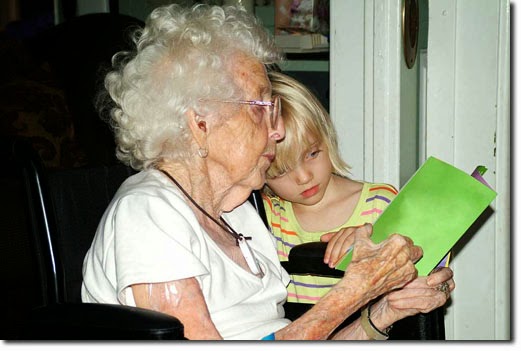


    Our indigenous people, especially the older people, also have so much to offer in understanding our relationship with the land and how we can better work in harmony with it. They also have knowledge of bush foods and medicinal plants, which are ideally suited to our specific climates, and may be useful in times of need.


    COMMUNITY SPIRIT AND ENGAGEMENT


    As much as possible, try to engage as many members of the community as possible in discussions and decisions about how your community might proceed, and allow people, where possible, to get to work on those areas for which they have enthusiasm. When people feel "ownership" of ideas... feel that they have a say and can act on their own ideas... things that they feel strongly about and have a passion for, they quickly build momentum and can achieve great things!

    Community building events such as pot luck dinners, BBQ's, community produced entertainment, working bees, workshops etc help people to feel more a part of their community and more willing to take part in things more enthusiastically.

    It is important to create connection, to re-create the village mind, and celebrate all that each person has to offer. All the skills, ingenuity and creativity that come together to make something truly wonderful happen. Together, we can achieve much more than the sum total of our individuals, we can become resilient and meet the future and what may come with a joy and positivity... knowing that we are not alone.


    Tuesday, 24 February 2015

    Thinking Solar Power? A few points to consider...


    Solar power is a great way to not only cut your power bills, but a direct, personal way you can lessen your impact on our stressed environment.  It pays to go into this with some general knowledge 'up your sleeve' so that you can get good value (which doesn't necessarily mean cheapest!) and the kind of system you need.

    Justin Russell from Solar Depot
     gave us some tips for doing it right!

    • In most cases, you get what you pay for!  Cheap components won't necessarily last in harsh Australian conditions.  Sure, these companies may offer warranties, but many close down within a relatively short time of being in business, leaving you with no come-back on your warranty.  Try to find a long standing company with a good reputation.
    • Make sure you plan the location of your solar panels carefully.  Look at current shade patterns and how they might develop in the future... especially regarding trees you have no direct control over.
    • Consider roof direction.  North is the best, however East and West are useable, but will have a 12-15% drop off in output.  You can get inverters that are designed for dual input so that you can have arrays facing different directions feeding in.
    • In SA ideal roof pitch should be around 24-30 degrees.  If you have a flat roof you can elevate panels with angled frames, however these usually require obtaining council approval, along with the added cost of this and the manufacture of the frames.
    • Panel weight is not usually an issue as they only way around 15kg each and this weight is spread out over a large area, however structural soundness of where you want to mount them should be checked.
    • To claim on Smallscale Technology Certificates rebate your system must be installed by a licensed and accredited installer.
    • You should have an idea of how much power you use, what times of day predominantly and what appliances are the heaviest users when you inquire about a solar system, so that the consultant can help plan the right system for you.
    • For an average family, a 5kW upgradeable system should be adequate.  For a couple, probably a 3kW upgradeable system would suffice.


    So... start planning your change to solar power now and start saving your money... and the planet!