Showing posts with label environmentally friendly. Show all posts

Saturday, 28 February 2015

Vegetables for Vitality


ISBN: 978-192107750-0
More than 200 delicious recipes to add vegetables to every meal
Yet again Reader's Digest brings us a magnificent book- 320 pages- packed full of tempting recipes, with mouth watering full colour photographs.

As we become much more aware of the importance of having a diet high in vegetables and fruits- the health giving bounty of nature- many of us are on the lookout for new and inventive way of serving them up. Ideas to tempt fussy eaters or children (and big kids) who refuse vegetables just on principle. New gourmet delights for dinner parties or that special occasion.


This book is a wealth of inspiration for any occasion! Some of the recipes are vegetarian, while many provide easy and tasty ways to combine veggies with a meat ingredient, in ways different to just the standard "meat & three veg".

The first section of this book introduces us to vegetables as our partners in health- what vegetables contain what nutrients, how they help us health-wise including a chart of medical problems and the vegetables and their nutrients which can be of benefit. 

It discusses where to get best quality veggies, various ways veggies are grown and ways to eat more vegetables easily. There is a seasoning guide plus herbs and spices, including a segment on various ones used in cuisines around the world. Useful kitchen implements and cooking methods, are also covered.


Next come the recipe sections:

  • Eggs & Breakfasts- omelettes, frittatas, pancakes, burritos, tomato dishes
  • Drinks, Snacks & Starters- smoothies, dips, stuffed vegetables, roll-ups, sandwiches, savoury tarts, bagels, terrine
  • Savoury Soups-borscht, gazpacho, chowders, egg drop soup, noodle soups
  • Chicken & Turkey- salads, teriyaki, grilled, pan fried, stir fry, baked, pies
  • Beef, Lamb & Pork- stew, cobbler, chillis, stir fries, grilled, fajitas
  • Fish & Seafood-salads, stir fries, gumbo, steamed, curries, baked, grilled
  • Pasta & Noodles- pestos, pasta bakes, no cook sauces, tortellini, asian noodles, linguine, angel hair pasta, rigatone
  • Vegetables, Pulses & Grains- stuffed veggies, rissotos, pot pie, souffle, savoury tarts, fried rices, chillis, pizzas
  • Vegetable Side Dishes- stir fried, creamed, roasted, glazed, braised, pureed, mashed, stuffed, grilled, asian style, rice dishes
  • Fresh, Grilled & Roasted Salads- all kinds of dressings, sauces and preparation styles
  • Breads & Muffins- scones, muffins and breads with vegetables in
  • Cakes, Cookies & Desserts- cakes, pies, tarts, cookies containing veggies


Following these is an A-Z Guide to Vegetables. For each vegetable, details such as nutritional attributes, seasonal availability, what to look for in choosing good quality, storing, preparation, basic cooking and best uses. Where appropriate, information about the varieties of a vegetable is given.

Also included, for our interest, are various little sections of fascinating informational "Did You Know"'s.

A glossary of good nutrition follows, then a vegetable freezing chart, and a useful chart of ingredient equivalents. A comprehensive index finishes off this superb volume.


This book is an invaluable addition to the recipe library of any health conscious cook- or a wonderful gift to a young person starting out on their own! There are enough easy, tasty, healthy recipes to keep them going for weeks!

Environmentally Friendly Cleaning With Products You May Already Have!

ENVIRONMENTALLY FRIENDLY CLEANING PRODUCTS


Rather than buying commercial cleaners, why not try some simple ingredients that most people have at home, or are easily obtainable.  Apart from environmental concerns, allergy sufferers- both those with skin sensitivities and breathing/asthma difficulties- are much less likely to have adverse reactions to these things, however, with any of the stronger natural products, it is still advisable to wear gloves.


Suggested Earth-wise Cleaners: 

Bicarbonate of Soda - Otherwise known as bicarb, carb soda or baking soda, this is a marvellous medium for absorbing odours from fridges, drawers etc. One of the great things about it is that it is a powder, not liquid, so it can be used in even delicate water sensitive items, such as cardboard boxes. Composed of sodium bicarbonate, and mildly alkaline, it is a mild abrasive and therefore is excellent for mild scrubbing. It is low in toxicity and forms a "detergent" which reacts with grease and oil. 

Salt - Salt acts as a scourer and a disinfectant. Excellent for saucepans etc.

Borax - Borax, an alkaline mineral salt, is a wonder cleaner! It dissolves grease, removes stains, disinfects, deodorises and inhibits mould. You can use it as a water or fabric softener. It can be toxic if eaten, so watch animals and children. This toxicity dissipates quickly in the environment however.

Soap Flakes - You should be able to buy pure soap flakes, or you can grate a bar of pure laundry soap to make your own. Store in an air tight container. Pure soap is biodegradable, low toxicity and unlike detergent, does not contribute to algal blooms in rivers.

White Vinegar - Will remove tarnish, bathroom scum and clean toilets, including removing hard water stains. 

Lemon Juice - Lemon juice smells wonderful and is good for deodorising, removing stains and inhibiting mould. Also, as a matter of interest, lemon juice works wonders if squirted into a dog's mouth in a dog fight! Best to avoid the eyes unless unavoidable, although it is a fairly mild acid so will probably only sting and not do any permanent damage. If you do get any in the eyes, rinse out of eyes immediately after the fight is stopped- make sure dogs are fully separated and unable to get near each other again first, or the fight may start again without warning, with you in the middle!
 

Eucalyptus and Tea-Tree Oils - Naturally scented disinfectants- add to hot water. Also, used neat, they are good for removing sticky goo off surfaces, but be careful with some plastics or plasticised surfaces! 

Washing Soda - Consisting of sodium carbonate (moderate alkaline) washing soda is useful in the kitchen for cutting through grease. Also removes stains and softens water.


SEE: More Environmentally Friendly pages.

Cleaning Floors The Environmentally Friendly Way - We Show You How

ENVIRONMENTALLY FRIENDLY CLEANING: FLOORS

Lounge

Are you among the many people who are becoming concerned that the chemicals we use everyday can damage our health, and the environment? Then no doubt you are interested in finding natural, greener cleaning products to use instead.


Natural cleaners are safer, usually cheaper, equally effective as harsh chemicals, and best of all, you know exactly what you have used. 

Homemade green cleaners usually use only the main cleaning agents and perhaps a natural fragrance, while commercial cleaners often also contain additives such as fragrances and bulking agents, and who knows what else!

If you, or family members, are allergy sufferers- both those with skin sensitivities and breathing/asthma difficulties- you are much less likely to have adverse reactions to environmentally friendly cleaners. However, with any of the stronger natural products, it is still advisable to wear gloves. If you are hyper sensitive, you might also consider wearing eye and breathing protection.


Natural environmental cleaners are more quickly, and fully, biodegradable, are lower in toxicity, and therefore much less harmful to our waterways and wildlife. "Grey water" containing green cleaners is also suitable for re-use on gardens, as a water saving measure, and can even be stored and treated in special tanks for use in toilets or even washing machines.

If you don't have time, or the wish, to make your own cleaners, then try to look out for Environmental Choice logos when choosing commercial products.

Below are some earth-wise floor cleaning ideas:

CARPETS

  • Always clean as soon after the spill as possible. Blot, scoop and scrape up what you can.
  • Proceed with caution, if at all concerned about colour fastness. An out of the way spot of carpet can be used for testing first, if desired. It may pay to test in advance before a spill occurs, so that you can be ready with the right, safe removing medium right away.
  • Soda water can be used to remove odours and mess, such as little pet accidents, spills or vomit. The bubbles help the stain to rise and makes it easier to remove.
  • Bicarbonate of soda, either on a damp rag, or sprinkled on and left for 30 minutes before vacuuming, will help absorb odours.
  • Bicarbonate of soda or cornflour (for heavy grease stains) used as above will help remove greasy stains.
  • To remove wax, scrape off as much as you can.
  • Then cover with a paper towel or blotting paper. Hold a hot iron above the paper, while pressing the paper down to blot the wax. You may need to repeat this several times.
  • For red wine stain, act quickly. Mop up liquid with cloth. Saturate the spill with white wine. Leave to soak for 10-15 minutes. Rinse with lukewarm water on a clean cloth.
  • To remove scuffs use a pencil eraser or eucalyptus oil.
  • For rust stains on lino, rub with half a lemon sprinkled with salt.
  • Wash an oil finished wood floor with 1 part methylated spirits to 10 parts hot water.
  • Buff with dry cloth.
  • To remove sticky spills, sprinkle with flour and wipe with a damp cloth.
  • Add 2 cups of vinegar to a bucket of warm water to mop tiled floors.


Carpet Cleaning Foam
2 cups pure soap flakes
1/2 cup methylated spirits
25ml eucalyptus oil
1/4 cup washing soda
Combine ingredients and whisk or shake in a jar until dissolved and mixed.
This mixture should be quite thick, but if it becomes to hard to shake to mix completely, you can add a little hot water. Keep in a sealed container.
When needed, mix 3 tablespoons of the mixture with 1 litre of very hot water
and whisk until foamy.
Rub onto the stain and leave to soak for 10-15 minutes.
After the soak, using a sponge dipped in white vinegar, wipe area well.
This neutralises the alkalinity of the foam.
Blot up moisture with a clean absorbent rag.


HARD FLOORS


Bicarb Scouring Paste
8 tablespoons bicarb
2 tablespoon water
Mix into a stiff paste.
Use for scrubbing marks on tiled floors etc.
Rinse or buff off after scrubbing.


Floor Cleaner
**Do not use on wood floors**
6 litres of hot water
1/2 cup white vinegar
1/2 cup washing soda
2 tablespoons liquid soap
Combine well in a bucket and mop floor.
Then mop with clean plain water.


SEE: More Environmentally Friendly pages.


Environmentally Friendly Cleaning Tips (Recipes!) For Your Bathroom

ENVIRONMENTALLY FRIENDLY CLEANING IN THE BATHROOM

Here are some useful ideas for giving your bathroom a "green clean".

  • Mould on grout can be removed by using Bicarb Scouring Paste (see below) on an old toothbrush. This can also be used on mouldy shower curtains. Alternatively, a paste made from lemon juice, vinegar and borax can be used.
  • Soap scum can be removed from a shower screen by using a mixture of 2 parts salt and 1 part vinegar, and rubbing with a rough cloth or scourer.  Then, rub over with a few drops of almond oil to deter recurring build-up.
  • To remove hard water or rust stains, mix 1 teaspoon of salt with 1/2 cup of white vinegar, and rub vigorously.
  • 1/2 cup of vinegar and 2 litres of water makes an excellent window or mirror cleaner. Doesn't tend to streak like plain water.
  • To help stop bathroom mirrors from fogging, wipe over with glycerine, then buff dry with a soft cloth.
  • Instead of chemical air fresheners, burn off toilet odours with a scented candle or aromatherapy oil burner.  (Be aware of fire safety!)
  • Alternatively, bowls of pot pourri or fragrant flowers can act as natural air fresheners.
  • To remove stubborn bowl rings/stains, soak overnight with a paste of borax and lemon juice.  In the morning, scrub and flush before use.
  • Bicarb on a toothbrush is good for cleaning nooks and crannies, such as a round taps.  Toothpaste is also great for this!
  • To remove grease and scale from around plug holes, rub with half a lemon.
  •  Clean toilets by sprinkling dampened bowl with borax, then spraying with vinegar.  Let soak, preferably for an hour or so, then scrub with toilet brush.

Bicarb Scouring Paste
8 tablespoons bicarb
2 tablespoon water
Mix into a stiff paste.
Use for scrubbing tile grout or bathroom surfaces etc.
Rinse or buff off after scrubbing.


Bicarb Household Spray Cleaner
2 teaspoon bicarb
2 teaspoon pure soap flakes
large dash of vinegar or squeeze of lemon
2 cups warm water
Mix until all is dissolved.
Put into a spray bottle and use as a cleaning spray.
Wipe bath, basin, tiles etc with a sponge or cloth.


Mould Inhibiting Spray
2 teaspoons of borax
1 cup of white vinegar
Mix and put into a spray bottle.
Spray on shower tiles etc.
Leave for 30 minutes, then wipe off. 


Fragrant Disinfectant
50 drops of essential oil eg. lavender, lemon, rose
4 tablespoons methylated spirits
1 litre distilled water
Combine methylated spirits and oil in a clean bottle.
Leave for 24 hours.
Add water and put in spray bottle.
Shake bottle before each use.
Spray on bathroom (or other) surfaces,
such as toilet, basin, shower recess
for wonderfully fragrant disinfected areas.

If you don't have time, or the desire, to make your own cleaners, then look out for products with Environmental Choice logos when choosing commercial cleaners.


SEE: More Environmentally Friendly pages.


Cleaning Your Kitchen The Environmentally Friendly Way - We Show You How


ENVIRONMENTALLY FRIENDLY CLEANING IN THE KITCHEN

Keeping a kitchen clean and hygienic, needn't rely on harsh commercial cleaners which can damage our health, and seriously impact on the environment.


Here are some useful ideas for "going green" in the kitchen.

Energy Efficient Home Ideas
  • To refresh your fridge, rub over with a little vanilla essence (pure or mixed with water) and leave a dish of bicarbonate of soda on a shelf at all times to absorb odours.
  • To clean and deodorise your microwave, place the juice and cut up skin of a lemon to a bowl of water.  Microwave on high for approx. 5 minutes.  Wipe clean.
  • Wipe kitchen surfaces with eucalyptus oil on a damp cloth, to disinfect.
  • To clean your oven, wipe out while still warm with a damp cloth sprinkled liberally with carb soda.  If this doesn't remove all grime, make a paste of vinegar and carb soda, apply to oven with a cloth, then leave for an hour.  Wipe clean with a damp cloth.
  • To remove hard water or rust stains from sinks, mix 1 teaspoon of salt with 1/2 cup of white vinegar, and rub vigorously.
  • 1/2 cup of vinegar and 2 litres of water makes an excellent window cleaner, and doesn't tend to streak like plain water or detergents.
  • Bicarb on a toothbrush is good for cleaning nooks and crannies, such as a round taps or sink plug holes.  Toothpaste is also great for this!
  • To remove grease and scale from around sink plug holes, rub with half a lemon.
  • For burnt on food in a saucepan or baking tray, sprinkle with washing soda and then add boiling water.  Leave for 30-40 minutes.  Then, wash as usual.  Oven racks can be soaked overnight in a solution of 1 cup of washing soda for each litre of hot water.  You may need to use a large plastic tub or your laundry trough to allow racks to be completely submerged.
  • Soak kitchen sponges and cloths overnight in a solution of boiling water, a large dash of vinegar and a few drops of eucalyptus or tea-tree oil.  Rinse before use.


Bicarb Scouring Paste
8 tablespoons bicarb
2 tablespoon water
Mix into a stiff paste.
Use for scrubbing stove tops and kitchen surfaces etc.
Rinse or buff off after scrubbing.

Bicarb Household Spray Cleaner
2 teaspoon bicarb
2 teaspoon pure soap flakes
large dash of vinegar or squeeze of lemon
2 cups warm water
Mix until all is dissolved.
Put into a spray bottle and use as a cleaning spray.
Wipe with a sponge or cloth.

Dish washing Detergent
1 cup soap flakes
1 cup washing soda
1 cup vinegar or lemon juice
1/2 cup water
few drops of essential oil of your choosing
Bring water and soap flakes to the boil, reduce heat
and stir until dissolved and smooth.
Remove from heat and stir in washing soda, until fully blended.
Add the vinegar and essential oil.
Use 1-2 teaspoons in a sink of hot water.
Store remainder in a sealed bottle.

Fragrant Disinfectant
50 drops of essential oil eg. lavender, lemon, rose
4 tablespoons methylated spirits
1 litre distilled water
Combine methylated spirits and oil in a clean bottle.
Leave for 24 hours.
Add water and put in spray bottle.
Shake bottle before each use.
Spray on sink or other surfaces,
for wonderfully fragrant disinfected areas.


SEE: More Environmentally Friendly pages.

If you don't have time, or the desire, to make your own cleaners, then look out for products with Environmental Choice logos when choosing commercial cleaners.

Eco Villas Kitchen


Grey Water Systems - Are You Throwing Away A Precious Resource?

GREY WATER SYSTEMS

Recent drought conditions and water restrictions are causing many families to look at different options for making the most of the water they use.

One marvellous way to recycle your water is to install a grey water collection system.
With households producing about 350-450 litres of grey water each day, reuse of this water can lead to substantial savings, in both water and money.

INSTALLING GREY WATER SYSTEMS 
Storage tanks for grey water.
Make sure that you only install an approved grey water system, or it could be costly both money-wise and health-wise. You will probably find that some of the work will need to be done by licensed plumbers, as it involves work on sewer pipes.

Grey water storage tanks can be installed underground, under your house in certain situations, or as an outdoor tank. Some grey water systems are gravity fed, and others use pump systems.


This involves collecting grey water from household use, such as washing machines, hand basins, baths and showers- use of dish washing water is not recommended because of the food and grease particles it contains.

The grey water is usually put through a filtration or treatment system, and then reused on the garden, or rerouted back into the house to use for flushing toilets.

Families deciding to recycle grey water need to be aware of what they put into this water. Suitable detergents and personal cleaning products need to be used, as too much of the wrong chemicals can damage plants and contaminate soils.
grey water systems in australia

Germs can survive in gray water, so water used for washing soiled nappies, or while family members are ill, should not be reused. The same goes for showers/baths for little children who might not understand they should not urinate in water that is to be recycled.

Garden watering systems using grey water should ideally be delivered directly to the roots, with underground weeping or dripper systems. Grey water should not be sprayed on the surface of plants, in case of contamination and drifting of water to other areas, and on to people or pets.

It is not recommended that grey water (possibly with the exception of certain treated grey waters) is used on plants that will be eaten, such as fruits and veggies and herbs. Fruit trees are fine, as long as the water doesn't contact the fruit itself. Animals, or children, should not have access to greywater.

You should always contact your local council and state water body, to find out what rules and legislation your area has in regard to installation and use of grey water systems. 

Depending on which type of system you choose, the regulations will be different.


Types of Domestic Grey Water Recycling Systems:

Diversion Only Systems
These are the simplest and easiest to install grey water system. However, as they are not filtered or treated at all they may pose greater hazards, both to health risks and blockage of garden watering systems.

Usually operated as a gravity flow grey water system, they collect household water and flow it directly onto the garden. Diversion only systems will usually require less "red tape".

Diversion and Filtration Systems
These systems strain the household water, filtering hair or other particles. The grey water is then less likely to block garden watering systems. The filter does need cleaning or replacing at times, and they will cost more to install than diversion only systems, but are less likely to cause annoying problems with your garden pipes so may be worth considering. They are also more heavily regulated. 

Diversion and Treatment Systems
The best quality, and least hazardous, grey water is produced by a diversion and treatment system. These use various different methods, such as sand filters or aeration, to treat the water and cut down germs and solid particles.

This water can be used in more direct irrigation systems and also for flushing toilets. Installing one of these systems is much more expensive, and there are ongoing expenses and maintenance. Once again, there is much greater regulation for this type of system.


Grey water systems
Installing a grey water collection system would make a great "eco friendly" family DIY project for the handy person and enthusiastic helpers. Just make sure you comply with any regulations and get professional help where required.

The internet is the ideal place to find lots of information, useful tips and product details for the various grey water systems on offer. It also gives easy access to a variety of suppliers, so that you can compare prices and other details, so that you can get the best system and price for your specific needs.

Happy Watering! 


Hybrid Cars - Making A Difference Today

Hybrid Cars and Hybrid Vehicles - Make Way for the Future


Cars are used by more people today than they ever were. This is because people tend to travel more and there are more people that want to travel.

It may be because of a person’s work, study or for the sake of just plain getting out and travelling. However, as the need for cars increase, there are more improvements made in the industry so that there can be better cars today, that are more economical, easier to handle, easy to maintain, and other needs of the car consumer at large.

Today, we have hybrid cars that fill the logical gap between petrol guzzler and a full electric car, for those that can't afford to go the full electric car path just yet. 


Hybrid cars are generally those that work by putting together a car’s petrol engine, electric motor and the battery.

There is a different charging method that is used thus the battery is not needed to be regularly plugged in.

Hybrid cars can have petrol and electric motors.

Generally, there are two classifications of hybrid vehicles- the mild hybrid and the full hybrid. It would be better to know the difference between the two since this can be a big factor if you plan to buy a hybrid car.

The mild hybrids, still use the fuel engine. However, when there are situations that may need extra supply of power, then the electric power will be the one to assist.


hybrid vehiclesHowever, the full hybrids can have both the petrol engine and the car’s electric motor to work independently without the help of the other.

This is a situation that is not applicable in mild hybrids as its electric motor is still dependent to the fuel engine. In this set up, the electric motor can work without being dependent to the fuel but when the car is speeding, the fuel engine will be the one to function.


In both hybrid vehicle kinds, the car will save petrol and also have lower carbon emissions. Thus, the aim of hybrid cars is not only to save money but also to keep the environment clean (environmentally friendly).

The engines are not the only things that would be different if you use a hybrid vehicle. The maintenance will also differ in that you need to make sure that you know how to properly care for the car before even thinking of purchasing it.

The steps can be simple to follow, however they can be critical in keeping your car at its best performance. Car maintenance is important for you to benefit from the improvements and benefits from hybrid vehicles.


If you are considering buying a hybrid car, then you should make sure that the car you buy will be easy for you to maintain and its features and functions suit your needs.

This way, you can feel assured that hybrid vehicles are actually a great choice in terms of style, fuel savings and environmental considerations.
Buying a htbrid car in Australia.

NEWS.com.au had this to say on the state of the Hybrid Cars Market in Australia...

PRICES are down, value is up and the hybrid message is starting to hit home in record numbers.

The fuel-efficient petrol-electric passenger cars started out as market oddities when Honda first brought the Insight to market in 2001.

Now they are finding mainstream market.

Private buyers are also now buying them in greater numbers:
--> June sales figures showed an 84 per cent increase in hybrid vehicle sales to private buyers, nearly double the fleet market increase.
--> July sales figures, to be released soon, are tipped to show another marked increase.

The Hybrid Car segment has increased in size, with an expanded Toyota Prius range going on sale earlier this year, as well as the arrival of the Australian-assembledCamry Hybrid.

Honda has expanded its hybrid range from one there-door two-seater in 2001 to the CR-Z sports coupe and the Insight hatchback and Civic sedan.

Toyota's luxury arm Lexus has four hybrid models on sale in Australia and BMW has 3 and 5 Series hybrid models in its short-term Australian future.

Range-extender vehicles from Holden (the Holden Volt) and Nissan's luxury brand Infiniti will further expand the choices for green motoring when they go on sale in the next few months...
IN THE NEWS


HYBRID CARS


IN THE NEWS


If you're not quite ready to move up to an electric car then a hybrid vehicle may be the next best thing when it comes to lowering your running costs while reducing car emissions.


Aussie Tough! - Drought Resistant Lawn & Drought Tolerant Grasses

Drought resistant lawn and drought tolerant grasses.

Australia's drought conditions are bringing about changes in the way we landscape our gardens.


drought resistant lawnsOf particular concern is the traditional front or back lawn. While some people may decide to replace their lawn with drought resistant plants, others don't wish to give up the attractive spread of green which has had its place in Australian gardens for so long. A place for kids to play, dogs to frolic, and somewhere maybe to sprawl on a fine sunny day, enjoying the outdoors.
But in times of drought in Australia, the kind of lawn we grow is worth considering. 

drought resistant grass type is much more practical and sensible, requiring less frequent use of our precious resource- water- and therefore also costing us less in water charges.

Drought tolerant grasses are specially developed to withstand hotter drier conditions, and to go for longer periods between watering. They are also fairly resilient if they do get starved of water- even after a prolonged period they will usually spring back to healthy, green life after the rain, or watering, begins again. So, with a lot of drought resistant lawns, (especially those with rhizomes) there is no need to be too concerned if dry brown patches do appear during summer.

You can help "train" your drought tolerant lawn to become even more resistant by giving it deep waterings, spread well apart. Once a week is usually sufficient, once the lawn has taken vigorous hold. Frequent shorter watering does not encourage deep root development, and the grass therefore has to rely more on what its roots can reach near the surface.


Some of the varieties recommended for drought resilience are:

Buffalo Grass

There are several different varieties of Buffalo grass, each with their own good and bad points.
  • Drought resistant
  • Grows well in hot climates
  • Hardy. Resistant to herbicides and fungus
  • Grows reasonably in shade
  • Great kids play area grass, as it is soft to touch
  • Less invasive in garden beds than some lawn grasses
  • Needs less mowing than some other grasses

Couch

  • Once again, there are several varieties.
  • Very heat and drought resistant
  • Needs less water than most other grasses
  • Grows in filtered sunlight
  • An inexpensive grass
  • Hardy
  • Generally non irritating to skin, so good for kids to play on
  • Resistant to pests and diseases


Kikuyu

  • Very drought resistant
  • Grows fast when plentiful water returns
  • Needs regular mowing
  • Grows very rapidly in a sunny, warm climate
  • One of the less expensive lawn grasses
  • Hardy, can withstand heavy traffic
  • Spreads via runners


Empire Zoysia

  • One of the most drought resistant lawns
  • Keeps good appearance even with little water
  • Cold hardy
  • Low maintenance
  • Rhizomes
  • Sun & moderate shade
  • Tough and hard wearing
  • Out competes weeds well
  • Disease and pest tolerant
  • Grows well in clay and sandy soils
  • Can be grown throughout Australia

But for many people, a lawn just wouldn't be the same without the living feel of it, or the wonderful scent when it is freshly mown!

drought tolerant grasses
Some grasses do better in shade or full sun than others, so choose appropriately for your conditions.

Soil type is also a consideration. You will also find a difference in costs with different varieties of drought resistant grasses, so make sure you look into this if it is an issue.

drought resistant lawn australiaOf course, the most drought resistant "grass" is artificial lawn. These days there are some quite good realistic ones available, so for no water or regular maintenance, this may be a choice worth considering.


Check out further information online for more details about drought resistant grasses, as well as how to plant and care for a well planned drought tolerant lawn.


Happy Mowing!


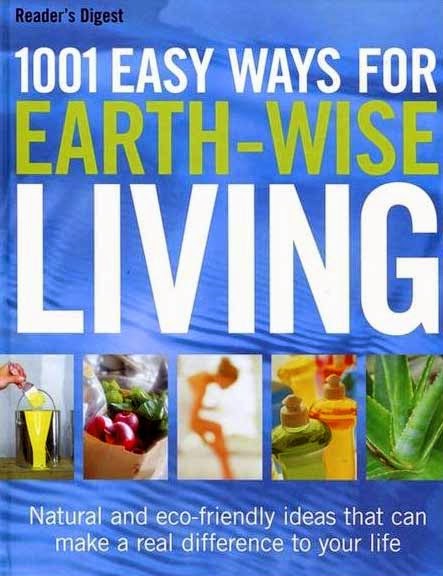
1001 Easy Ways for Earth-Wise Living

1001 Easy Ways For Earth-Wise Living Natural and eco-friendly ideas that can make a real difference to your life.

Many people are becoming aware of just what an adverse effect many of our modern lifestyle practices are having on the earth... and just how fragile our planet is.

Some of our actions have caused ecosystem destruction, species extinction and health concerns.

Before it is too late for even more of our precious natural resources, we need to carefully look at the ways we personally add to these problems and what steps we can take- on an individual level- to become more Earth Wise in our daily lives.

To find ways to step more lightly on the planet.


1001 Easy Ways For Earth-Wise Living is an amazing resource for just this venture.

Published by Reader's Digest, it is the usual high quality, comprehensive publication that you would expect from them.

This book introduces us to what earth-wise living is, what the benefits are and how to go about making changes. It then proceeds with sections of information for the changes we can make in each area of our lives.

The first section is called The Natural Home. This is divided down further into segments:

  • Efficient Living discusses energy efficient homes, insulation, heating and cooling, lighting, and water -wise living.
  • Room By Room takes us through each room in the house, with environmentally friendly ideas for appliances, water use and recycling.
  • Building and Renovating introduces us to energy efficient and earth-wise ways to build, including materials, efficiency ideas and solutions to common problems.

Strawbale Building Technique

The next section is Around The Home: 

  • Earth-Wise Cleaning introduces us to greener cleaning materials for each room and situation, and even some great "recipes" to make our own.
  • Waste Watch discusses reducing, reusing and recycling in the home.
  • Household Pests shows us how to discourage and banish pests from our homes, the most environmentally friendly ways possible.
  • Caring for Your Pet introduces homemade pet foods, natural remedies, dealing with pet pests such as fleas and the benefits of exercise and play for your pet... and you!
Cat flea treatment ideas

The Healthy Body is the next section: 

  • Eating Well covers the benefits of fresh food, organic food, preserving and storage, freezing and some great recipes. It also discusses food additives and label checking.
  • Nutrition Basics talks about balanced diets, the importance of fruits and vegetables, energy boosters and developing healthy eating habits.
  • Exercise For Life tells us how to get fit, aerobic exercise, strength training, non-impact exercise and suggestions for getting a good night's sleep.

Feeling Well follows: 
  • Looking Good discusses understanding and caring for your skin, hair and body, including cleansing, toning and moisturising, with lots of earth friendly recipes for making your own products.
  • Holistic Health introduces natural therapies, healing, coping with modern life and relaxation.
  • Natural Remedies covers feeling good, treating minor ailments, aches and pains, more serious health conditions, plus health for women and the older body, and some earth-wise medicines.

Earth-Wise Gardening is next, for all of you with "green thumbs": 

  • Working With Nature discusses going organic, companion planting, natives, wildlife attracting gardens and low maintenance strategies.
  • Garden Basics covers mulch, compost, fertilising, irrigation and water-wise design.
  • Planting Guide goes into creating various kinds of gardens, such as vegetable patches, herb gardens, flowers for beds and borders, plants for fragrance and foliage and lawns and grasses.
  • Dealing With Problems delves into keeping weeds under control, garden pests (insects and 2 or 4 legged), garden chemicals and generally keeping your garden healthy.

The last section Out and About looks into impacts further afield: 

  • Buying Power talks about the power of our purchasing choices and how to shop environmentally. Eco smart shopping tips for personal products, fabrics, and other household products and items. It also discusses ethical investing and expenditure.
  • On The Road gives tips for choosing and using a vehicle to be as environmentally friendly as possible, including emission reduction and earth-wise maintenance. Also discussed is using public transport and bicycles.
  • Travelling Light covers travelling away from home, on holiday and adventures. Walking holidays and eco aware travel tips are included.
Holden Volt - Extended Range Electric Car


Following these major sections is a Resources guide which gives details of lots of interesting websites with green eco smart information, categorised in their particular area of interest eg Cleaning, building, environment, recycling, water.

A comprehensive index helps navigate your way through the substantial information in this book, which is useful as it is 335 pages long.

Altogether, this is a marvellous collection of tips, hints, ideas, recipes and discussion about lessening our impact and giving planet Earth a chance at regeneration.

I recommend it highly to everyone who cares and wants to make a personal difference...

and leave a better, healthier, sustainable future for our children.


1001 easy ways for earthwise living

 ISBN: 978-192107736-4