Showing posts with label safe. Show all posts

Saturday, 28 February 2015

Environmentally Friendly Cleaning With Products You May Already Have!

ENVIRONMENTALLY FRIENDLY CLEANING PRODUCTS


Rather than buying commercial cleaners, why not try some simple ingredients that most people have at home, or are easily obtainable.  Apart from environmental concerns, allergy sufferers- both those with skin sensitivities and breathing/asthma difficulties- are much less likely to have adverse reactions to these things, however, with any of the stronger natural products, it is still advisable to wear gloves.


Suggested Earth-wise Cleaners: 

Bicarbonate of Soda - Otherwise known as bicarb, carb soda or baking soda, this is a marvellous medium for absorbing odours from fridges, drawers etc. One of the great things about it is that it is a powder, not liquid, so it can be used in even delicate water sensitive items, such as cardboard boxes. Composed of sodium bicarbonate, and mildly alkaline, it is a mild abrasive and therefore is excellent for mild scrubbing. It is low in toxicity and forms a "detergent" which reacts with grease and oil. 

Salt - Salt acts as a scourer and a disinfectant. Excellent for saucepans etc.

Borax - Borax, an alkaline mineral salt, is a wonder cleaner! It dissolves grease, removes stains, disinfects, deodorises and inhibits mould. You can use it as a water or fabric softener. It can be toxic if eaten, so watch animals and children. This toxicity dissipates quickly in the environment however.

Soap Flakes - You should be able to buy pure soap flakes, or you can grate a bar of pure laundry soap to make your own. Store in an air tight container. Pure soap is biodegradable, low toxicity and unlike detergent, does not contribute to algal blooms in rivers.

White Vinegar - Will remove tarnish, bathroom scum and clean toilets, including removing hard water stains. 

Lemon Juice - Lemon juice smells wonderful and is good for deodorising, removing stains and inhibiting mould. Also, as a matter of interest, lemon juice works wonders if squirted into a dog's mouth in a dog fight! Best to avoid the eyes unless unavoidable, although it is a fairly mild acid so will probably only sting and not do any permanent damage. If you do get any in the eyes, rinse out of eyes immediately after the fight is stopped- make sure dogs are fully separated and unable to get near each other again first, or the fight may start again without warning, with you in the middle!
 

Eucalyptus and Tea-Tree Oils - Naturally scented disinfectants- add to hot water. Also, used neat, they are good for removing sticky goo off surfaces, but be careful with some plastics or plasticised surfaces! 

Washing Soda - Consisting of sodium carbonate (moderate alkaline) washing soda is useful in the kitchen for cutting through grease. Also removes stains and softens water.


SEE: More Environmentally Friendly pages.

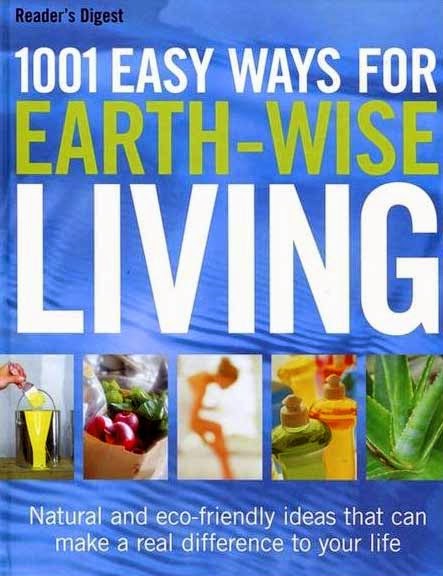
1001 Easy Ways for Earth-Wise Living

1001 Easy Ways For Earth-Wise Living Natural and eco-friendly ideas that can make a real difference to your life.

Many people are becoming aware of just what an adverse effect many of our modern lifestyle practices are having on the earth... and just how fragile our planet is.

Some of our actions have caused ecosystem destruction, species extinction and health concerns.

Before it is too late for even more of our precious natural resources, we need to carefully look at the ways we personally add to these problems and what steps we can take- on an individual level- to become more Earth Wise in our daily lives.

To find ways to step more lightly on the planet.


1001 Easy Ways For Earth-Wise Living is an amazing resource for just this venture.

Published by Reader's Digest, it is the usual high quality, comprehensive publication that you would expect from them.

This book introduces us to what earth-wise living is, what the benefits are and how to go about making changes. It then proceeds with sections of information for the changes we can make in each area of our lives.

The first section is called The Natural Home. This is divided down further into segments:

  • Efficient Living discusses energy efficient homes, insulation, heating and cooling, lighting, and water -wise living.
  • Room By Room takes us through each room in the house, with environmentally friendly ideas for appliances, water use and recycling.
  • Building and Renovating introduces us to energy efficient and earth-wise ways to build, including materials, efficiency ideas and solutions to common problems.

Strawbale Building Technique

The next section is Around The Home: 

  • Earth-Wise Cleaning introduces us to greener cleaning materials for each room and situation, and even some great "recipes" to make our own.
  • Waste Watch discusses reducing, reusing and recycling in the home.
  • Household Pests shows us how to discourage and banish pests from our homes, the most environmentally friendly ways possible.
  • Caring for Your Pet introduces homemade pet foods, natural remedies, dealing with pet pests such as fleas and the benefits of exercise and play for your pet... and you!
Cat flea treatment ideas

The Healthy Body is the next section: 

  • Eating Well covers the benefits of fresh food, organic food, preserving and storage, freezing and some great recipes. It also discusses food additives and label checking.
  • Nutrition Basics talks about balanced diets, the importance of fruits and vegetables, energy boosters and developing healthy eating habits.
  • Exercise For Life tells us how to get fit, aerobic exercise, strength training, non-impact exercise and suggestions for getting a good night's sleep.

Feeling Well follows: 
  • Looking Good discusses understanding and caring for your skin, hair and body, including cleansing, toning and moisturising, with lots of earth friendly recipes for making your own products.
  • Holistic Health introduces natural therapies, healing, coping with modern life and relaxation.
  • Natural Remedies covers feeling good, treating minor ailments, aches and pains, more serious health conditions, plus health for women and the older body, and some earth-wise medicines.

Earth-Wise Gardening is next, for all of you with "green thumbs": 

  • Working With Nature discusses going organic, companion planting, natives, wildlife attracting gardens and low maintenance strategies.
  • Garden Basics covers mulch, compost, fertilising, irrigation and water-wise design.
  • Planting Guide goes into creating various kinds of gardens, such as vegetable patches, herb gardens, flowers for beds and borders, plants for fragrance and foliage and lawns and grasses.
  • Dealing With Problems delves into keeping weeds under control, garden pests (insects and 2 or 4 legged), garden chemicals and generally keeping your garden healthy.

The last section Out and About looks into impacts further afield: 

  • Buying Power talks about the power of our purchasing choices and how to shop environmentally. Eco smart shopping tips for personal products, fabrics, and other household products and items. It also discusses ethical investing and expenditure.
  • On The Road gives tips for choosing and using a vehicle to be as environmentally friendly as possible, including emission reduction and earth-wise maintenance. Also discussed is using public transport and bicycles.
  • Travelling Light covers travelling away from home, on holiday and adventures. Walking holidays and eco aware travel tips are included.
Holden Volt - Extended Range Electric Car


Following these major sections is a Resources guide which gives details of lots of interesting websites with green eco smart information, categorised in their particular area of interest eg Cleaning, building, environment, recycling, water.

A comprehensive index helps navigate your way through the substantial information in this book, which is useful as it is 335 pages long.

Altogether, this is a marvellous collection of tips, hints, ideas, recipes and discussion about lessening our impact and giving planet Earth a chance at regeneration.

I recommend it highly to everyone who cares and wants to make a personal difference...

and leave a better, healthier, sustainable future for our children.


1001 easy ways for earthwise living

 ISBN: 978-192107736-4


Stain Removal - The Environmentally Friendly Way!


ENVIRONMENTALLY FRIENDLY STAIN REMOVAL


Clean and Green! Are you concerned about all of the chemical products in use today, and their effects on our health and the world we live in?  Especially on things we are in close contact with, such as our clothes.  People with allergies may be particularly concerned by this. 

A lot of stains can be removed by gentle, natural and environmentally friendly products. 

In fact, many of them need nothing more than a soak in plain water. 

Always be aware of possible non-fast colours or colour changes in stain removal. Some fabrics may react differently to various substances. Testing on an inside piece first is advisable if you are concerned. 


Here are some earth-wise alternatives to harsh chemicals:


  • Ballpoint pen- Use a cloth dipped in eucalyptus oil or methylated spirits to sponge the stain.
  • Beetroot- Soak in a solution of 1 litre of cold water and 4 tablespoons of borax.
  • Berry stains- Rub the stain with lemon juice or vinegar, leave for an hour, then wash as usual.
  • Blood, fresh- Soak in a bucket of cold water with a handful of salt mixed in.
  • Blood, old- Rub first with vegetable glycerine (available at health food shops) then continue as above.
  • Chocolate- Soak in a solution of 1 litre of cold water and 4 tablespoons of borax.
  • Coffee- Soak in a solution of 1 litre of cold water and 4 tablespoons of borax.
  • Cosmetics- Make a solution of 1 part cloudy ammonia and 3 parts water. Dab on the stain.
  • Egg- Soak in a solution of 1 litre of cold water and 4 tablespoons of borax.
  • Fruit Juice- Soak in a solution of 1 litre of cold water and 4 tablespoons of borax.
  • Grass- Dampen the area with water, then sprinkle with sugar. Roll up and leave for an hour, then was as usual. Alternatively, rub with eucalyptus oil.
  • Grease/Oil- Soak in a bucket of water with 1 tablespoon of washing soda and 1 teaspoon of eucalyptus oil.
  • Mildew/Mould- Make a paste of lemon juice and cream of tartar. Put on stain. Allow to dry, then brush off and wash as usual.
  • Milk- Rinse in soapy water, then soak in water and vinegar for 15 minutes.
  • Rust- Make a paste of salt and lemon juice. Rub into stain, soak 20 minutes, then wash.
  • Soft Drink- Soak in a solution of 1 litre of cold water and 4 tablespoons of borax.
  • Tea- Soak in a solution of 1 litre of cold water and 4 tablespoons of borax.
  • Vomit- Scoop up any solid parts. Soak in a solution of 1 litre of cold water, 4 tablespoons of borax and a few drops of eucalyptus oil.
  • Wine, red- Immediately apply soda water. Then soak in a solution of 1 litre of cold water and 4 tablespoons of borax.
  • Wine, white- Apply soda water, then wash.

    You may wish to print this list out and keep it in a handy location for future reference!

SEE: More Environmentally Friendly pages.


Sustainable Food for the Future

Food that helps everyone & everything!

One of the most important issues facing the world is creating sustainable food systems for the changing future. We will no longer be able to rely heavily on fossil fuel abundance to grow, transport and store our food, in the way we have been used to.

That doesn't mean we need to starve however. It means we need to get moving on putting in place other options and implement the changes necessary.


GROWING YOUR OWN FOOD

Never underestimate the power of what you can achieve as an individual. Growing at least some of your own food gives you and your family security and resilience, in times of food supply interruption and provides you with healthy, fresh produce. And if everyone grew food, and swapped excesses with friends and neighbours, the whole community would become more self sufficient.

Get started now, while the need is less urgent, so that if the time arises that you need that food, you have ironed out the bugs and can grow successfully.

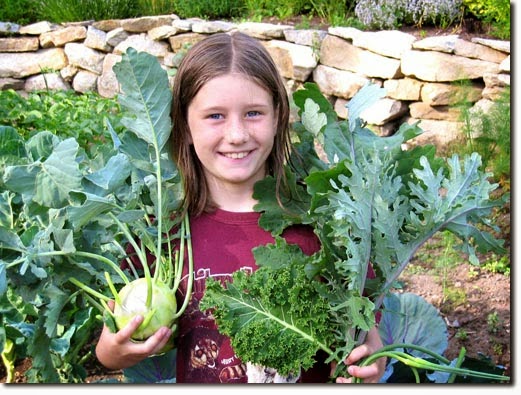
Growing food is also a wonderful activity for children to be a part of. It provides exercise, sunshine, a bond with the earth, an understanding of cycles and seasons and uplifts your mood. It also makes some special family times and memories... not to mention the delight a child will experience eating the first ripe tomato of the season, or snapping open fresh peas, straight from the plant!


HOME PRODUCE AND COOKING


Learning, and teaching your children, how to cook wholesome, home made meals from scratch, using wholefoods and produce straight from your garden, is a great skill that will set a healthy pattern for their lives. Experiment... cook over a fire, use a wood oven, try a solar oven. Who knows when these skills may be needed.

If you eat butter and cheeses, Why not learn to make your own? What about your own bread... and don't cheat and use the bread machine. Make your own stocks, your own croutons, your own yummy cookies. See how many things that you usually buy pre-made that you can make yourselves.


STORING AND PRESERVING FOODS

Learning how to properly store different foods- from dry goods to fruits and vegetables- will save a lot of wastage and you will be able to make use of a lot more of your abundant crops or bulk purchases for a longer time period. Keeping out pests is an important aspect, as is correct temperature and humidity. Setting up a good pantry or root cellar record list is a great idea, as well as a rotational schedule to make sure you use the oldest items before the newly added ones.

If you have an excess of harvest, why not try learning how to preserve it for later use? The more ways of preservation you can put into practise, the greater variety of preserved food you will be able to produce.


Try some of these:

  • Freezing- a common way of preserving, but works better when you actually know what you are doing and follow some simple principles.
  • Drying- you can buy special food dryers, or make your own sun dryer.
  • Smoking, salting, glacé.
  • Making jam- used to be very common, but less so in the age of convenience.
  • Bottling/preserving and pickling

HEALTHY DIETS FOR YOU... AND THE PLANET!


Animal products have the greatest environmental impact, in a host of ways, and therefore are not environmentally friendly at all. Many would say they are not good for your health either. Cutting down, or eliminating, meat and other animal products, is a great way of helping cut down greenhouse gases and the massive destruction to the environment brought about especially by factory farming, along with mass clearing land for grazing animals and growing livestock feed..

So, what are healthy diets? The closer you eat to how a food comes naturally (in most cases) the healthier that food should be. So, wholefoods, not processed. If it has an ingredient list... it's probably not very healthy (with certain exceptions of course.)

Vegan, or if you don't feel you can go that far, vegetarian. If you feel you can't give up meat, eggs or dairy make sure it is truly free range organic- not full of chemicals, toxins, hormones and antibiotics.

Eat lots of fresh, organic raw fruits and vegetables. Straight from the plant if you grow your own! You don't want to be eating something that has sat in storage for months, been artificially ripened with gas, or travelled hundreds or thousands of kilometres by the time it reaches you. How many vibrant nutrients do you think it still has after all that?


PROBLEMS WITH CURRENT FOOD PRODUCTION SYSTEM


Unfortunately, much of our current agriculture and food production is geared towards making as much money, for as little expenditure as possible- with seemingly little consideration for the "product" (animals or plants) or the humans that end up eating them.

Some problems are:

  • Production of enormous amounts of greenhouse gases, and other pollutant, along the entire chain of production.
  • Toxic chemicals, hormones, antibiotics etc ending up in both plant and animal foods.
  • Deforestation and land degradation to grow/graze.
  • Oceans being over fished, polluted, fish ingest mercury and other toxins.
  • Huge amounts of fossil fuel used for transport of food over long distances.
  • Huge monopolies taking over, and having ultimate control of, certain industries.
  • Government subsidies for certain industries.
  • Health impact studies sponsored by the industry the studies are testing.
  • Processed foods being stripped of nutrients and dietary value.
  • People becoming ill, obese and dying as a result of their poor diets.
  • Workers rights ignored, and abuse rife, in certain industries.
  • Immense suffering and hardship by the animals raised in factory farms.

COMMUNITY FOOD PRODUCTION


Within a community, much of its food can be produced locally, by individuals or small organic growers. Localisation is going to become increasingly important. Apart from individuals growing their own food, there are other options to obtain good healthy produce.

Community gardens are a wonderful way to get the community motivated, and is important for those who may not have their own land for gardening, such as those living in flats or retirement villages. They also provide social interaction, exercise and sunshine to those who take part.


Share gardens is another option, where people with garden space to spare partner with those willing to do a lot of the work. This is particularly relevant for older people who may have larger gardens, but find a lot of gardening too difficult. They may partner with younger people living in nearby apartments, who have no garden areas they can use.


CSA's (Community Supported Agriculture) is another great idea, as is approaching local farmers yourself to see if you can buy produce direct... or even have the fun of pick-your-own!

Working together, at a local level, we can create food resilience in our community and ensure the availability of enough food and a healthy diet for all.


Fern Avenue Resilient Gardening

Friday, 27 February 2015

Is Homeschooling Right For Your Family?

 Educating For The Future


Growing healthy, happy, creative children who are able to meet the challenges of the future is every parent's goal.  Many parents just 'go with the flow' and send their children to school without an alternative even entering their mind.  But for some, mainstream school may not be the answer.  


Are you a parent who is dissatisfied with the education your child is receiving or concerned about the potential adverse effects of a traditional school setting?  Maybe you feel the class size is too big and your child is not getting enough individual help. Perhaps your child is struggling with understanding concepts, and falling behind in certain subjects. Or maybe your child is very bright, longing to surge ahead, and getting bored while everyone else catches up.


Is your child being bullied at school- by classmates... or teachers?! Do you worry about the dangers your child is exposed to every day (at a younger and younger age all the time) such as drugs, smoking, drinking, unhealthy peer pressure and illegal activities? What about potential horrors of pedophiles... or impatient drivers at crossings?


Or perhaps you have a precious little one, who hasn't reached school age yet, and you have fears of the things mentioned above. Maybe you don't want to hand over the care and responsibility of your child to someone who also has 30 other children to supervise! And perhaps you don't want to miss out on your child's new discoveries and explorations- just left to hear about it when they get home from school.


Do you get fed up with the constant morning battle to get your kids ready for school on time... and the evening battles of homework? Are your kids (and you!) tired and irritable when you all eventually join up for what's left of the day, after school? Is over scheduling... to fit in everything else you and your kids want to be involved with such as sport, socialising, tutoring etc... exhausting you?


If this sounds like your family, then homeschooling might be an option worth exploring!

Educating your children at home can be extremely rewarding. It can also have its ups and downs, especially as you're finding your way, but overall it is usually a positive and exciting journey.


If your children have been at school, it can take time (even months) for them to leave the old groove behind and adjust to a more relaxed, self directed style of learning. But there's no rush... let them (and you) take your time. Learning should be a natural adventure of discovery.


It is your job as a home educating parent to be a facilitator in your child's learning. You aren't there to force the 3 R's on them, but rather to help gently guide when needed, make sure they have the materials and resources they need, and provide an interesting and learning oriented environment. Learn along with them! 


You certainly don't need to "know everything about everything" to home educate. You just need to be resourceful and know how to find out (and show your kids how to find out) what they want to know. With the internet, and so many excellent libraries, museums and other resources, this is usually a fairly easy task these days.


One of the things you need to consider, if you are thinking of homeschooling, is the time factor. Do you have the time it takes to dedicate to educating your children? Will your lifestyle allow it? 


While many home educators work part time and successfully homeschool, it is probably not really an option for two (or one in a single parent family) parents to work full time and home educate. And even for part time, don't forget, you don't have school to fall back on as a babysitter while you work, or go out doing errands etc. While your children are too young to be left at home alone you will need to find someone to care for them during these times. And please don't make them grow up and take on this responsibility too early! Don't leave older ones to care for young ones, until they are well and truly ready.


If you are on certain Centrelink support payments, registered homeschoolers are exempt from the new part time work requirement. Inquire through Centrelink to make sure this includes whatever payment you are receiving.


However, regarding time, home education does not actually need to take as much time as your child used to spend each day, in school. Your child will learn a lot more, with one to one involvement with you, and being able to progress at their own rate, in their own direction. Probably a couple of hours a day working on whatever projects he/she is currently engaged in will be enough, plus some creative time on art, craft, music, maybe a walk or kicking a ball around, attending homeschool group social events etc.

Of course, the beauty of home education is that there are no school bells to tell you to start or stop or change subject! Most of the time, your child can continue for as long as their interest holds. Then they can move on!


Another consideration is do you actually feel you and your children can spend this much time together without driving each other crazy?!

There are some families who, no matter how much they really love each other, just find they can't cope with almost constant "togetherness". Families who come back from holidays together almost not speaking! And this is nothing to feel badly about. People are different. It's far better to be honest about this, than to struggle on and cause damage to your family relationships. 


But homeschooling is often worth a try, if you feel that there's a chance of it working. Often without the pressures and old battles of getting ready for school, homework, strict bedtimes, tired grumpiness etc, families find that they are much more relaxed and enjoy each others company. 


Most families who have homeschooled from the beginning (and many who take it on later) find that it brings their families much closer together, and they just can't imagine not wanting to explore each day with their children. Not to say that it doesn't get frustrating at times. There are arguments, disagreements, just like any family, and naturally, most people need some "space" and time to themselves. This can be achieved by incorporating quiet, reflective personal time for everyone into your day. And by making sure you have other people who can give you a break, if needed, such as your spouse, family, and other home educators.


Life Stage - TEENAGERS
Joining a homeschoolers group is one of the best ways to begin your home education adventure. There are lots of online groups, as well as groups who meet regularly. Some are formal groups with membership fees, newsletters etc... some are just an informal group of families who get together.


Members of any homeschool group are usually quite friendly and willing to welcome newcomers into the "fold". They understand the questions, worries and doubts you may have... they have been there before! You can gain much wisdom and help with how to go about the whole process, from being an active part of a homeschool group. They can help lessen the "teething pains" greatly!


Homeschool groups often have social meeting where kids (and parents) can get together to play and chat. Many also have group workshops, activity groups and educational outings. They can provide great support and friendship! 


Different homeschool groups often have a different focus, to do with the general ideas and principles its members follow- such as natural learning, Christian home ed, Charlotte Mason etc. Some are pretty general. So it pays to check around for the one(s) that might be best for your family. Experienced home educators in any group can probably give you a contact for the group they think might suit you. Unless you have specific ideas already, a fairly general group is probably best to begin with, then you can always join another one with more specific focus later on.

Opening your children up to the joys and challenges of learning is a wonderful experience... one like no other!

Life Stage - BIRTH Helping to grow the scientists, inventors, politicians, musicians, great thinkers, explorers, entrepreneurs, sports people, artists... people who will shape the world... and the future!


Thursday, 26 February 2015

Creating A Pizza Garden - The Greatest Tasting Pizzas Start With This!

Create A Pizza Garden!


pizza herbsDesigning and growing your own "Pizza Garden" can be a really fun way of getting your kids involved in the joy of gardening.
The idea is to grow all kinds of yummy vegetables and herbs that your family would enjoy on a pizza- then reap the rewards, and create a healthy, tasty pizza.
Begin by finding some gardening books or internet gardening resources on growing all kinds of veggies and herbs. Make sure they are relevant to your area, as planting times and other details may vary.

Then, get your family to start brainstorming what kinds of veggies they like on pizza... or what new things they might like to try! Have them research their suggestions in the books etc, and decide on what types of veggies they will try to grow, and which varieties may be most suitable. Check for what conditions they need and if they can all be grown over the time period you are using. Having a couple or so varieties of each kind is a good idea, as your first choice may not be available where you shop. Choosing small varieties, or early cropping types will lessen your waiting time.

pizza gardenYou also need to decide if you will start with seedlings or grow things from seed. Some things are better to grow one way or the other. Seedlings will take less time to mature than seeds. Some seeds may need initially planting in seedling boxes then planting out into the ground after they have developed. Refer to seed packets for details.
Next you need to plan a time frame for your plantings. Different things will take different amounts of time to mature and be ready to harvest. Most things should have quite a period of time during which you will get harvestable produce, so even if you're not precise with your plantings, you will hopefully get some overlap and have time to make a few yummy pizzas... and whatever else you'd like to use them for.
Also, research what plants help each other (companion planting), repel pests etc, how many of each type you want to plant, how much room each needs. Draw up a plan of what will be planted where, and record brief instructions for each type- eg any special soil requirements, depth of hole needed etc.
You should also think about how you will control pests (including birds), what kind of mulch, fertiliser etc you will use, how they will be watered etc. If you wish to have a chemical free garden, make sure you research the possibilities available to you for this.
Now it's time to get your hands dirty!

Get to work and dig your pizza garden plot. Loosen the soil well to a depth that will allow plenty of root growth. Ease of root growth makes for healthier more vibrant plants, and deeper roots allow plants to make use of deeper watering, and less reliant on such frequent surface watering.

TIP: If you are concerned about soil bacteria, or cuts etc, you can always use gardening gloves. Whether you do or not, make sure everyone washes their hands well with soap and water- including under their nails- after they finish, and treat any wounds sustained immediately. Also, make sure if anyone has prior wounds that they are safely covered beforehand, and preferably that they wear gloves.
Follow the instructions for depth, spacing etc for each type of vegetable/herb and plant your garden, over whatever times pan is indicated. Care for your plants, watch them grow and then...

Enjoy the fun of harvesting your crop as needed, making your gourmet pizzas and delighting in the taste of fresh healthy veggies that you grew yourself!


For added fun, why not invite your friends over for a make your own pizza party!
If you want to expand your garden, or try another theme you could also create a pasta garden, hearty soup garden, salsa garden etc.
Here are some veggies and herbs you might like to try growing-
  • Oregano
  • Basil
  • Spring Onions
  • Onions
  • Garlic
  • Tomatoes
  • Capsicums
  • Chillies (if you like it hot!)
  • Mushrooms (These may need a little different approach, so research. You can buy "mushroom kits")
  • Roasted vegetables such as carrots, pumpkins and potato can be really yummy on a pizza. Try it and see!
You can make your own pizza sauce from your own tomatoes and herbs, combined in a blender. Or you can use tomato paste or commercial pizza sauce, if you prefer the taste.
For pizza bases you can buy pre-made bases, use flat bread varieties, or make your own dough by hand or in a bread maker on the pizza dough setting.
Have fun with your pizza garden... and becoming a gourmet pizza artist!

Solar Garden Lighting - Saving You Money and Lowering Your Carbon Footprint!

Solar Garden Lighting Can Save You Money


For the green thumb and gardening enthusiasts, proper lighting for your beloved garden is truly a serious endeavour.  Appropriate and well-planned lighting can make a big difference in illuminating and highlighting the best features of your garden.

It brings in a stroke of magic as it brightens the garden and makes it alive even at night.  The perfect choice of lights and their proper installation as ground lights, up-lights and water highlights or even floodlights can produce different moods and dramatic effects.
However, there are several things to note and consider when deciding for and choosing a good lighting system for your garden. It needs to be planned accordingly and must abide by Australian state safety standards for electric use (SA, VIC,WA etc).

It is best not to attempt to do any major lighting plan and installation on your own.  You may need to consult an electrician or a lighting expert for specific jobs that would need expert knowledge and experience.
Good solar garden lights.
Lighting installation doesn't have to be very sophisticated and costly.  However, a major decision on whether to opt for electricity-powered or solar-powered lighting needs to be made as part of the final design that you want for your garden.  Here we discuss how solar garden-lighting, despite its relatively higher price would be the wiser option compared to wired and electricity-powered garden lighting.
Garden technology - solar lightingModern age gardening technology has made it possible for solar lighting to be almost as good as wired and powered setups because some models now have the capability of charging power enough to produce light during the entire night time period.

The first advantage of the solar powered lighting system is its safety, as no extensive electrical wiring is needed and solar batteries are usually easier and safer to install or pre-installed. 
Solar garden lighting is also more flexible and is ideal for those that usually tend to rearrange their garden set-up occasionally.  Since there is no need to connect the fittings on sockets and wirings, it is very easy to mount and set-up.  Some may even be used as portable lights that you can carry around your garden. 
Modern models of solar powered garden lights have also been made to be more effective and almost the equivalent of electrically powered lighting, in terms of quality and brightness.

Although the highest intensity of lighting may not be produced and generated from most solar garden lighting, this is not a major concern for most gardeners. 
Solar garden lighting can save you money.
The most obvious and practical advantage of the solar powered lighting over the traditional wired ones is that it enables the user to save considerable money, year after year, and, although solar powered garden lighting may sometimes be more expensive than the regular powered lighting system, it is usually more cost-efficient in the long run as it will save you money on your regular electricity bills because it totally sources its power from the sun.
Solar garden lighting techology example.Technology has really made it advantageous and more cost-efficient for the modern gardener to maintain a beautifully well lit garden, affordably.

With solar powered garden lighting, traditional garden lighting which makes use of electricity may soon become a thing of the past.
Here's to a Green Garden! :)

Saturday, 21 February 2015

Your Environmentally Friendly Cleaning Toolbox


Keeping your home clean doesn't have to rely on using harsh, environmentally damaging chemicals.  You can use many safe substances you probably have around your house as cleaners and also recycle items as cleaning tools.

Please Note:  With all of these ingredients, test first on inconspicuous areas.  Also, wear rubber gloves if you have sensitive skin.  If a rash develops, wash well in cold water.  Other than obvious food type ingredients, please don't allow  in your mouth... or eyes.

Salt
The granular formation of salt helps scour.  I use this regularly on my stove top and it works well.  It is also a disinfectant.

Bicarbonate of Soda (aka carb soda, bicarb, baking soda)
Absorbs odours and spills.  Place in an open container in your fridge to absorb fridge smells, sprinkle on your carpet and vacuum, add to cat litter in litter trays.  Mix with vinegar or lemon juice for a nice cleaning 'fizz'!

Borax
Multi benefits such as removing stains and grease, deodorising, disinfecting and inhibiting mould.  Although any toxcicity from borax quickly dissipates in the environment, please be careful and do not allow it in your mouth!

Washing Soda
Good stain remover, degreaser and water softener.

Dishwashing Liquid
This cleans more than dishes!  You can use this alone as a cleaner for all kinds of things, or mix with salt or bicarb.  Mix some with water and put in a spray bottle as your own mild spray on cleaner.  Make sure you find an environmentally friendly dishwashing liquid.

Soap Scraps
Keep the remnants of your environmentally friendly soap and grate it to make soapy cleaning flakes.  Dissolve soap bits in a little hot water to make a thick cleaning cream gel.


Toothpaste

Toothpaste is a mild abrasive cream, plus leaves a pleasant minty scent.

Soda water
Use on carpets.  The bubbles help raise the stain to the surface, where it can more easily be removed.  Also helps eliminate odour.


Potato
Cut a potato in half and dip in carb soda.  Use this to remove rust by rubbing the potato on the rusty area.

Grapefruit
Once again, cut in half.  Sprinkle with salt.  Use to scrub limescale, then rinse.

Bananas
Use the inside of a banana skin to spot clean leather, then wipe with damp rag.

Lavender Oil
Great as an anti-bacterial agent and for deterring mildew... with a lovely scent to boot!

Eucalyptus & Tea Tree Oils
Removes sticky substances brilliantly.  Natural disinfectants.

Essential Oils
Can be added to various other cleaning agents to add a delightful scent to your room and many also have mild disinfectant properties.

Vanilla
A great safe natural substance for wiping out your fridge.  Put a few drops in warm water and wipe over surface.  No need to rinse.


Old Toothbrushes
Excellent little scrubbing brushes for hard to reach or tight areas.

Orange Bags
Knot up into a suitable scourer size.  Great for scrubbing bathtubs.


Body Cleaning Equipment
You can also use old nail brushes, personal body cleaning sponges, poufs etc as cleaning tools, once it's time to replace them.