Showing posts with label fruit. Show all posts

Saturday, 28 February 2015

Sustainable Food for the Future

Food that helps everyone & everything!

One of the most important issues facing the world is creating sustainable food systems for the changing future. We will no longer be able to rely heavily on fossil fuel abundance to grow, transport and store our food, in the way we have been used to.

That doesn't mean we need to starve however. It means we need to get moving on putting in place other options and implement the changes necessary.


GROWING YOUR OWN FOOD
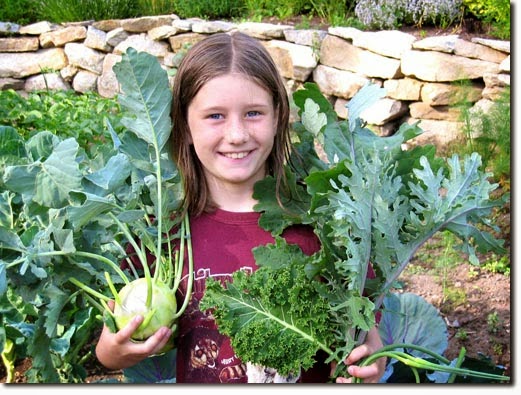
Never underestimate the power of what you can achieve as an individual. Growing at least some of your own food gives you and your family security and resilience, in times of food supply interruption and provides you with healthy, fresh produce. And if everyone grew food, and swapped excesses with friends and neighbours, the whole community would become more self sufficient.

Get started now, while the need is less urgent, so that if the time arises that you need that food, you have ironed out the bugs and can grow successfully.

Growing food is also a wonderful activity for children to be a part of. It provides exercise, sunshine, a bond with the earth, an understanding of cycles and seasons and uplifts your mood. It also makes some special family times and memories... not to mention the delight a child will experience eating the first ripe tomato of the season, or snapping open fresh peas, straight from the plant!


HOME PRODUCE AND COOKING


Learning, and teaching your children, how to cook wholesome, home made meals from scratch, using wholefoods and produce straight from your garden, is a great skill that will set a healthy pattern for their lives. Experiment... cook over a fire, use a wood oven, try a solar oven. Who knows when these skills may be needed.

If you eat butter and cheeses, Why not learn to make your own? What about your own bread... and don't cheat and use the bread machine. Make your own stocks, your own croutons, your own yummy cookies. See how many things that you usually buy pre-made that you can make yourselves.


STORING AND PRESERVING FOODS

Learning how to properly store different foods- from dry goods to fruits and vegetables- will save a lot of wastage and you will be able to make use of a lot more of your abundant crops or bulk purchases for a longer time period. Keeping out pests is an important aspect, as is correct temperature and humidity. Setting up a good pantry or root cellar record list is a great idea, as well as a rotational schedule to make sure you use the oldest items before the newly added ones.

If you have an excess of harvest, why not try learning how to preserve it for later use? The more ways of preservation you can put into practise, the greater variety of preserved food you will be able to produce.


Try some of these:

  • Freezing- a common way of preserving, but works better when you actually know what you are doing and follow some simple principles.
  • Drying- you can buy special food dryers, or make your own sun dryer.
  • Smoking, salting, glacĂ©.
  • Making jam- used to be very common, but less so in the age of convenience.
  • Bottling/preserving and pickling

HEALTHY DIETS FOR YOU... AND THE PLANET!


Animal products have the greatest environmental impact, in a host of ways, and therefore are not environmentally friendly at all. Many would say they are not good for your health either. Cutting down, or eliminating, meat and other animal products, is a great way of helping cut down greenhouse gases and the massive destruction to the environment brought about especially by factory farming, along with mass clearing land for grazing animals and growing livestock feed..

So, what are healthy diets? The closer you eat to how a food comes naturally (in most cases) the healthier that food should be. So, wholefoods, not processed. If it has an ingredient list... it's probably not very healthy (with certain exceptions of course.)

Vegan, or if you don't feel you can go that far, vegetarian. If you feel you can't give up meat, eggs or dairy make sure it is truly free range organic- not full of chemicals, toxins, hormones and antibiotics.

Eat lots of fresh, organic raw fruits and vegetables. Straight from the plant if you grow your own! You don't want to be eating something that has sat in storage for months, been artificially ripened with gas, or travelled hundreds or thousands of kilometres by the time it reaches you. How many vibrant nutrients do you think it still has after all that?


PROBLEMS WITH CURRENT FOOD PRODUCTION SYSTEM


Unfortunately, much of our current agriculture and food production is geared towards making as much money, for as little expenditure as possible- with seemingly little consideration for the "product" (animals or plants) or the humans that end up eating them.

Some problems are:

  • Production of enormous amounts of greenhouse gases, and other pollutant, along the entire chain of production.
  • Toxic chemicals, hormones, antibiotics etc ending up in both plant and animal foods.
  • Deforestation and land degradation to grow/graze.
  • Oceans being over fished, polluted, fish ingest mercury and other toxins.
  • Huge amounts of fossil fuel used for transport of food over long distances.
  • Huge monopolies taking over, and having ultimate control of, certain industries.
  • Government subsidies for certain industries.
  • Health impact studies sponsored by the industry the studies are testing.
  • Processed foods being stripped of nutrients and dietary value.
  • People becoming ill, obese and dying as a result of their poor diets.
  • Workers rights ignored, and abuse rife, in certain industries.
  • Immense suffering and hardship by the animals raised in factory farms.

COMMUNITY FOOD PRODUCTION


Within a community, much of its food can be produced locally, by individuals or small organic growers. Localisation is going to become increasingly important. Apart from individuals growing their own food, there are other options to obtain good healthy produce.

Community gardens are a wonderful way to get the community motivated, and is important for those who may not have their own land for gardening, such as those living in flats or retirement villages. They also provide social interaction, exercise and sunshine to those who take part.


Share gardens is another option, where people with garden space to spare partner with those willing to do a lot of the work. This is particularly relevant for older people who may have larger gardens, but find a lot of gardening too difficult. They may partner with younger people living in nearby apartments, who have no garden areas they can use.


CSA's (Community Supported Agriculture) is another great idea, as is approaching local farmers yourself to see if you can buy produce direct... or even have the fun of pick-your-own!

Working together, at a local level, we can create food resilience in our community and ensure the availability of enough food and a healthy diet for all.


Fern Avenue Resilient Gardening

The Advantages Of Good Garden Mulch

MULCH FOR YOUR GARDEN - NATURE'S BLANKET 


quality garden mulchMulch is a very important component of a healthy garden, and particular important in our harsh Australian climate, especially in times of drought and summer months.


Mulch has numerous benefits to your garden

  • Helps retain moisture, prevents evaporation.
  • Stops soil from blowing, or washing, away.
  • Organic mulch adds necessary soil components as it decomposes.
  • Cuts down weeds, by blocking light needed for weed seeds to germinate- this also applies to seeds you wish to plant, so don't mulch heavily until plant seeds have well and truly sprouted.
  • Weeds also pull up out of soft mulch much more easily than soil, especially if it becomes compacted.
  • Keeps soil temperature more consistent- insulates against cold and heat.
  • Helps lessen soil borne fungal diseases reaching plants.
  • Keeps garden beds looking neater and natural.


    Garden Mulching Tips
  • Weed area first.
  • Don't mulch too close to tree trunks or plant stems, or they may rot.
  • Don't mulch heavily where you have planted seeds or tiny seedlings.


Types of garden mulches:

Organic Mulches
buy compost or make your own compost.
Made of natural, organic materials, organic mulches add nutrients to the soil as they decompose.


COMPOST - Compost is like food for the soil! Making your own compost is a great use for vegetable and garden scraps.

It can also be covered with another form of mulch for a more attractive appearance, if desired.


LAWN CLIPPINGS - These can be added to the compost making process, or used as mulch as is. High in nitrogen, so great for veggie patches. Allow to dry first and don't apply to thickly. Don't use lawn clippings which have been sprayed with any type of poison, and be careful not to include any runners from running grasses, or these will often take root and grow in your garden.

LEAVES - Once again, these can be pre-composted, or used as mulch as is. Partially decomposed or crumpled leaves are best, as they don't blow away as easily or mat. Pine needles can be used for the right kind of plants. some gardeners find that they help discourage slugs, as the little creatures don't find crawling over the spiky needles pleasant- makes sense!

SAWDUST - Older sawdust is best for garden mulch. If plants show signs of nitrogen lack, add a nitrogen rich fertilisers.

WOOD CHIPS - Very attractive mulch. Once again, aged chips are better, to safeguard from toxins and fungal contamination.

BARK - Another eye pleasing and long lasting mulch. Eucalyptus and pine bark are commonly used.

good garden mulch australiaSTRAW/PEA STRAW- Probably best used as mulch in veggie gardens and similar planting situations.

Adds good nutrients to the soil as it decomposes rather quickly.

TOPSOIL - Good topsoil sold at garden centres etc can be an excellent addition, as it contains lots of organic matter which helps insulate, retain moisture, and provide nutrients as it decomposes- everything you want in a mulch. However, make sure that you are buying good quality topsoil!

Fern Avenue Community Garden

MANURE - Dry, well rotted manure is a good addition. If it is at the right stage, smell should not be a problem. You can add it to your compost or use as is. Cover with another more attractive mulch if the sight does not appeal.

NEWSPAPER - Sheets or shredded newspaper (uncoloured ink), which is, of course, made from wood, can be very useful in the garden, especially under other more attractive mulch. Great for cutting down weed growth. Ideal for veggie gardens too.


Inorganic Mulches (man-made)

Made from man-made materials, these work well at their mulching job, are long lasting (sometimes almost forever), but do not add anything useful to the soil.

RECYCLED RUBBER - Made from 100% recycled rubber, this is safe long-lasting and natural-looking. Rubber mulch helps retain moisture, controls weeds, moderates soil temperature. Available in various natural shades, to imitate the appearance of bark. Doesn't blow away easily, and works efficiently so a lesser depth is needed.

PLASTIC SHEET - warms the soil, which accelerates plant growth. Stops water escaping and weeds from growing. As it is waterproof, irrigation needs to be done from underneath. Can overheat roots, or retain too much moisture, so caution is required. Plastic is well suited for use in vegetable gardens.

SCORIA/STONES/GRAVEL - Neat, but less natural appearance. Good mulch for a specific landscaping style. Very long lasting mulch. Be careful that pieces don't get into your lawn, or they can be a danger in lawn mowing. Offers a neat appearance but may not blend with every landscape design. They offer some weed control.

WEED MAT - Good for controlling weed growth. Allows moisture and air to reach plant roots. Can be covered with bark or scoria etc for appearance.


LIVING SOILS - The Key to abundant plant growth!


Friday, 27 February 2015

Eco Kids Go Hands On !

It is becoming increasingly important for children and young people to become aware of the environmental dangers our planet is facing, ways we can all help create a sustainable, "green" future, and to get involved in a hands-on way. Growing up being involved on a daily basis in the home and taking part in environmental projects, help cement these ideals in the child's mind and make it a natural part of their adult life, which they then pass on to their children, and so on.

There are lots of ways you can involve kids in environmentally friendly activities, groups and projects. Here are some ideas to get them started! 

Come on kids- let's go hands-on for Planet Earth!


AT HOME

Be a Leak Detective:

  • Check your house for possible places where heat may escape in winter, or heat from outside may enter in summer. Don't forget to check chimneys, window frames, cracks, vents, air con ducts, manholes etc.
  • Find ways to block or limit this heat exchange. Physical blocking? Insulation? Heavy curtains? Pelmets? Outside blinds? Deciduous trees? There's all kinds of ways you can help keep your home a more consistently pleasant temperature, all year round, and lessen your reliance on heaters and air conditioners.


Become an Environmental Chef:

  •  Help plan your family shopping- where possible try to buy organic, whole foods, in bulk if practical to save on packaging, and local in season produce which will save lots of greenhouse gases in transport and specialised growing environments.
  • Grow your own ingredients- safe from toxic chemicals and full of nutrients!
  • Help plan and cook healthy, whole foods meals at home. And take your own lunch to school.
  • Eat more vegetarian meals. Create your own veggie recipes- use veggies from your own veggie garden! Meat production has so much more bad effect on the environment than fruits, vegetables etc, in so many ways... do some research and find out!


Maybe an Energy Efficiency Expert is your style:


  • Do a water and power audit of your house, then work out ways that you could save water and energy.
  • Turn off lights and appliances when you don't need them on. Don't forget all those things on stand-by... that uses power too and can save quite a bit over a year!
  • Take shorter showers. Don't just run the tap the whole time when brushing your teeth, washing your hands or washing dishes.
  • Notice- and learn to help fix- dripping taps, running toilets etc.
  • Check the energy ratings of your appliances. If it's time to buy a new one, find out which ones are more energy efficient. Try to only run appliances such as washing machine or dishwasher with a full load, unless they have special settings for small loads.


Turn Trash into Treasure:


  • Recycle, reduce and reuse!!
  • Cash in your deposit cans and bottles for extra pocket money! (where applicable)
  • Have a garage sale, or donate items GOOD items to charity, rather than send it to landfill.


IN THE GARDEN


Garden Guru:

  • Create your own awesome veggie garden! Try to use only organic fertilisers and pest control. You don't want to be adding pollution into the soil, or toxins into your food!
  • Grow herbs and some veggies in pots.
  • Use your veggies to create some wonderful meals! Or just snack right off the plant... nothing better than feasting on fresh ripe food you grew yourself.

Water Wizard:


  • 21 Tips For Saving Water In Your Home
    How is water used in your garden and how might it be used more efficiently and responsibly?
  • Find out about any current water restrictions that are in place in your area. Are you abiding by the conditions? If not, change your water habits to comply. What other restrictions might apply if water becomes even more scarce? Would they be hard to abide by? How could you prepare now to be better able to adapt?
  • Find ways to capture rainfall to be used in your garden.
  • What about grey water? What are the restrictions governing its use, and could you make use of any your household produces?


AT SCHOOL
 School Environmental Warriors:

  • Get your class on an energy hunt. Carry out a school water or energy audit. Then discuss ways in which savings might be made and implement what you can.
  • Create and maintain a school garden... and use the produce for cooking classes, school lunches or events, selling for fund-raising, or donating to food pantries or charities.
  • Have a school grounds tree planting project.
  • Create a litter awareness campaign in the school and regular litter control teams.
  • Discuss what "green" principles your classroom can adopt- such as recycling, using less, using different materials, bringing home-made lunches, walking or biking to school if appropriate- and implement whatever you can. then... get other classes involved! Run a school competition for the most energy efficient and "green" class! Make it a monthly competition, or each term, to give incentive for improvement.
  • Approach the canteen manager and see if more environmental packaging and procedures can be implemented. The same could be done with other school areas such as offices. It is probably advisable to ask a helpful teacher for help and advice with this, and for the best way to approach the relevant staff.


Environmental Discoverers:


  • Do an environmental survey of your school grounds. This could include litter amounts, degraded areas, number of trees, number of native plants, number and species of birds, reptiles and insects seen on school grounds or anything else of environmental concern or impact. What could be done to improve any areas?


IN THE NEIGHBOURHOOD


    Fern Avenue Raised Garden Beds
  • Approach your neighbours about joining you in your environmental efforts, and get them to carry out similar audits and use techniques to cut down on unnecessary use of all kinds of things.
  • Find people in your local area that have fruit trees, or grow veggies, and see if you can swap with each other.
  • Join or help start a Community Garden.
  • Get together with friends and neighbours to buy bulk and save on both money, and packaging.
  • Help organise a street garage sale, or swap, where several families work together to create a big event which will encourage more people to come... and less items to end up in landfill.
  • Find out about, and get involved with, local sustainability groups.


OUT AND ABOUT ADVENTURES

  • Join, or start, a Waterwatch group. http://www.waterwatch.org.au/
  • Join a "Friends of Parks" group and get involved in hands-on projects in our amazing National Parks. There are also many other types of "Friends" groups.
  • Join Trees For Life and grow our future native forests. http://www.treesforlife.org.au/home/
  • Research other environmental volunteer groups around Australia... and the world... that you might like to join.
  • Do your own research project into the effect of human civilisation and pollution in a special vulnerable area.
  • Find a local farm, orchard or market gardener and see if you can arrange to collect produce direct from them... or even pick your own! Some places already have these services available.


TAKE ON THE WORLD!

  • Get involved with International groups such as WWF, Greenpeace and PETA.
  • Contact politicians, business leaders or whoever is appropriate with your environmental concerns.
  • Make your own environmental movies and post them on Youtube.
  • Approach environmental websites and ask if you can write for them about environmental issues, or what you are doing to address them. 


Don't forget one of the most important ways of getting your child on-board- talk to them about why it really matters... and listen to their ideas and thoughts and incorporate them where you can! And make activities enjoyable. Even though it's a somewhat serious subject, taking part in doing your bit doesn't have to be dull and just hard work. Make things a part of family ritual and enjoyable times spent together. Create a family of aware, involved, positive, caring people, who are enthusiastic to get things done, instead of a disenchanted, disconnected group of TV watching, uninvolved zombies.

Remember... how we leave the planet, and those who are caretaking it, is the future of our children, our grandchildren and generations of our family forever into the future. It is worth making sure the next generation of adults have the knowledge, skills and passion to help create a world that will be worth living in.